
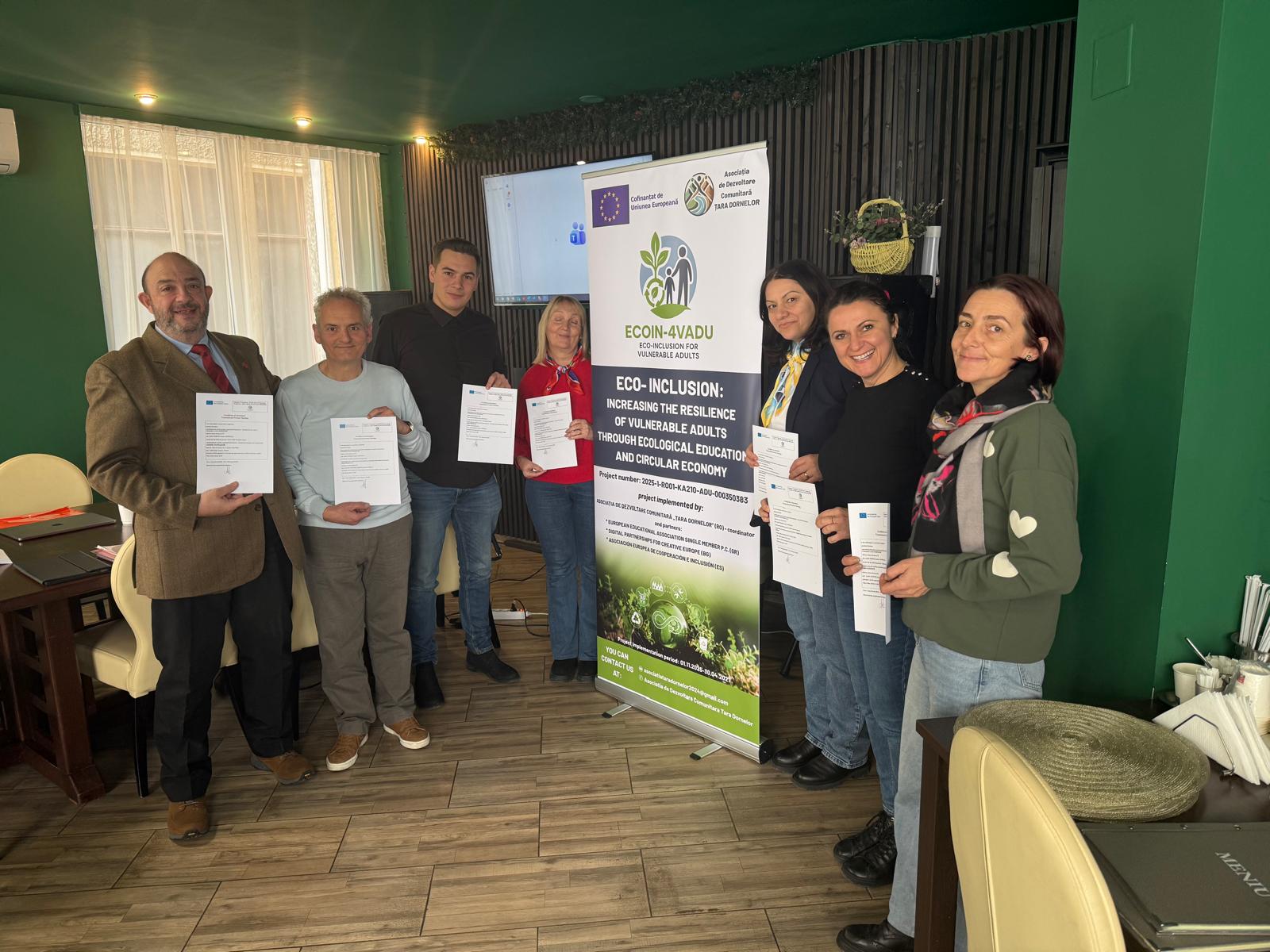

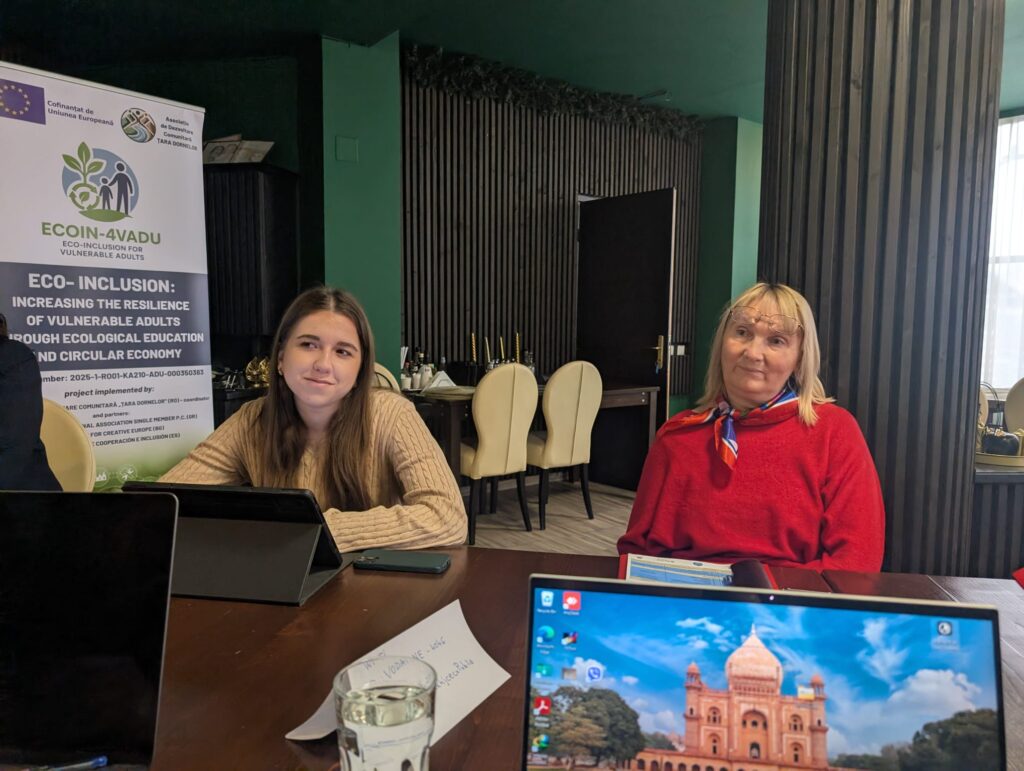
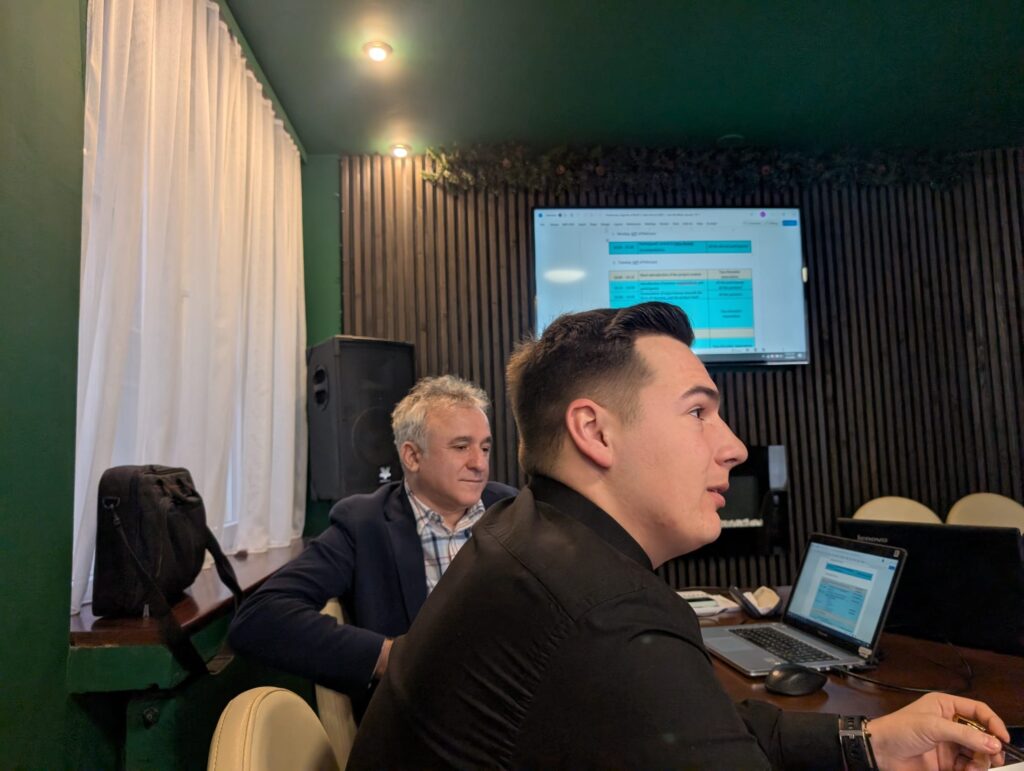
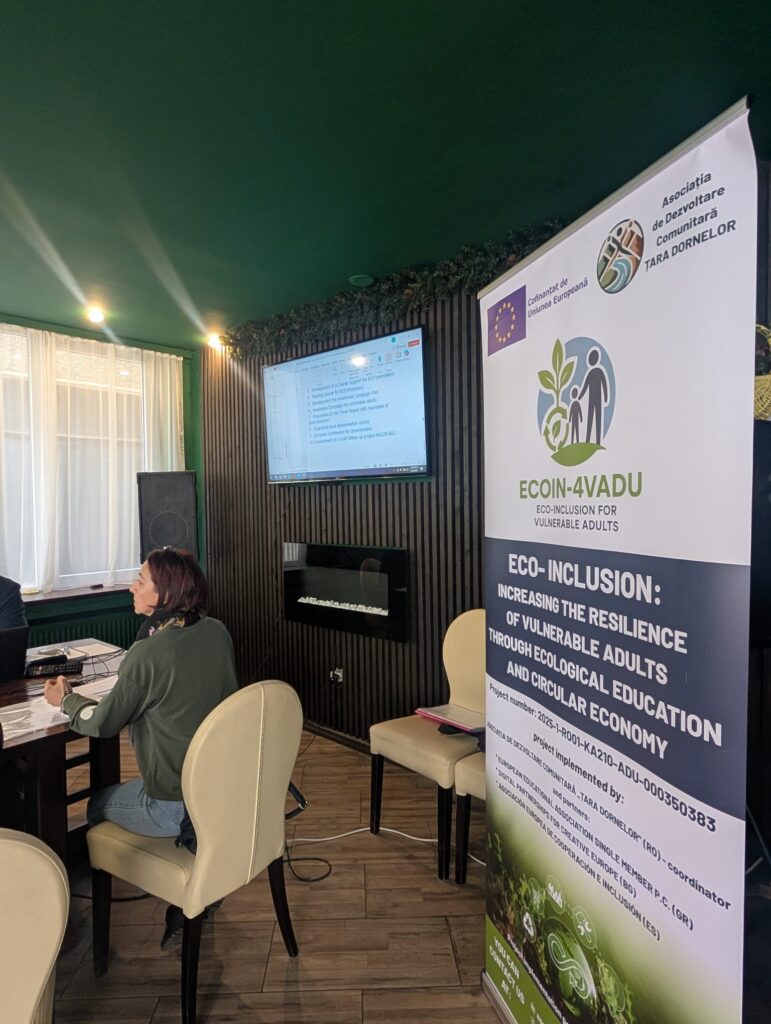
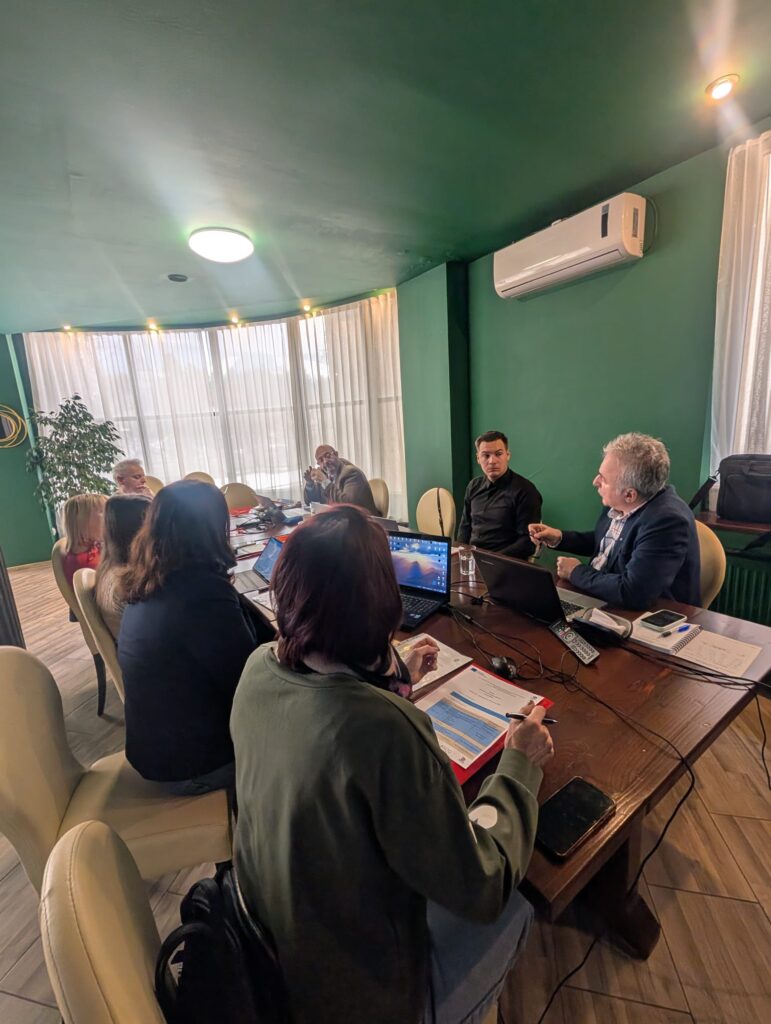
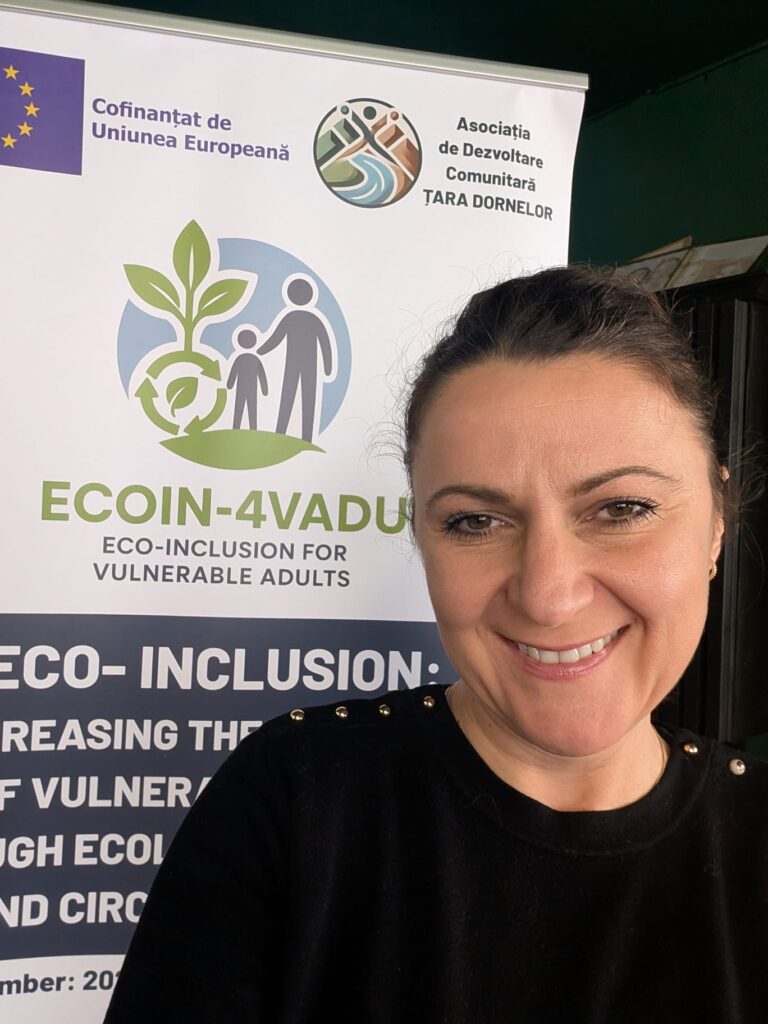
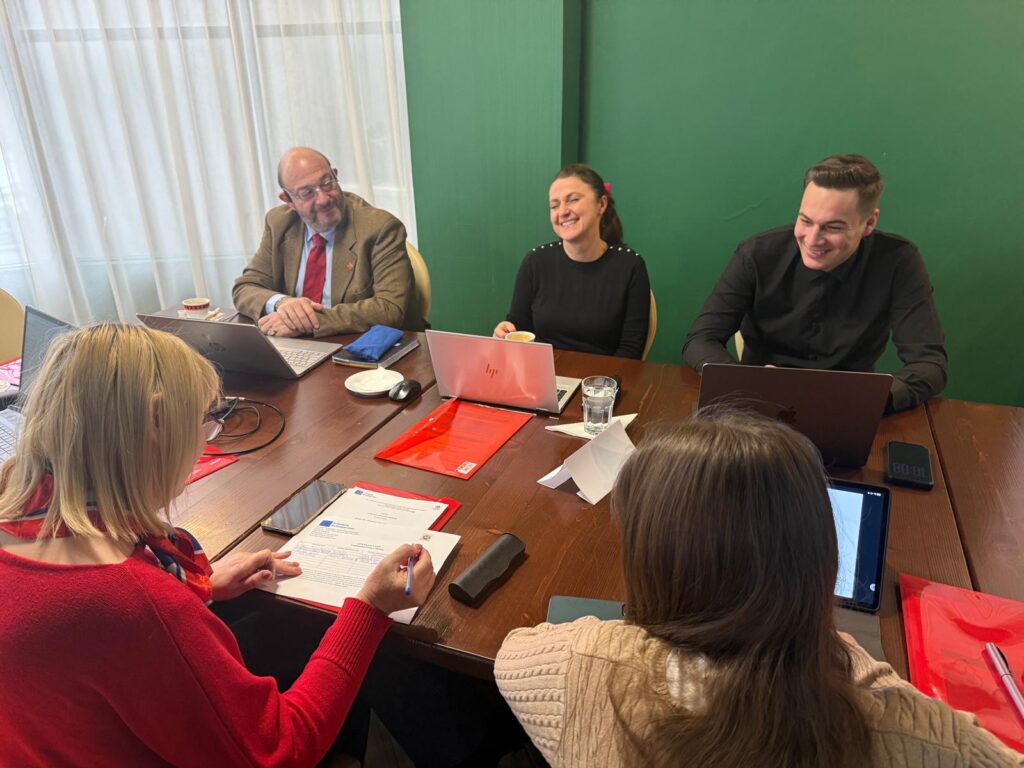
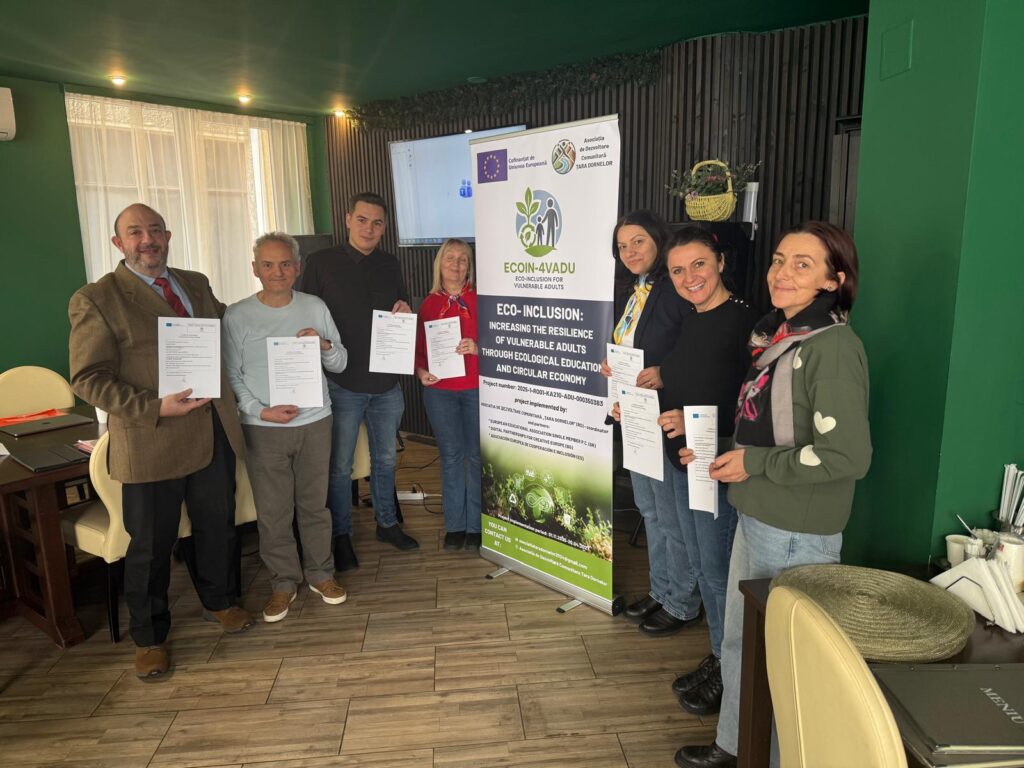
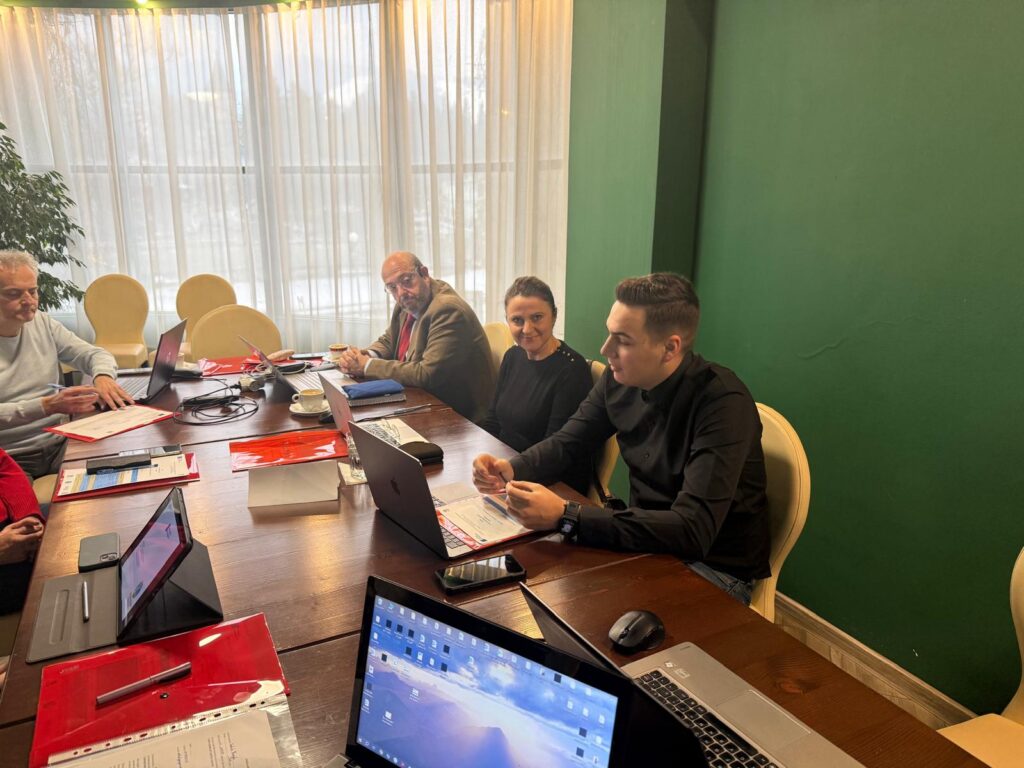
Digital Partnerships for Creative Europe (DiPaCre) has officially joined the Eco Inclusion project as a partner, following the successful kick-off partner meeting held in Vatra Dornei, Romania. The meeting marked the formal start of this Erasmus+ Small-scale Partnership in Adult Education (KA210-ADU), funded under the Erasmus+ Programme and coordinated by Asociatia de Dezvoltare Comunitara Tara Dornelor
The Eco Inclusion project, formally titled “Eco-Inclusion: Increasing the resilience of vulnerable adults through ecological education and circular economy” (acronym: ECOIN-4VADU), will be implemented over 18 months, from September 2025 to February 2027, with a total project budget of EUR 60,000. The project addresses the Erasmus+ horizontal priority of environment and fight against climate change, while also contributing to improved inclusiveness, accessibility, and participation in adult education.
The partnership brings together four organisations from different European contexts, each contributing complementary expertise and access to diverse target groups. Alongside the Romanian coordinator, the consortium includes European Educational Association Single Member P.C. from Greece, Digital Partnerships for Creative Europe from Bulgaria, and Asociación Europea de Cooperación e Inclusión from Spain. Together, the partners work with vulnerable adult learners, including people at risk of social exclusion, migrants and refugees, unemployed adults, and individuals with limited access to education and training opportunities.
The project’s main objective is to develop ecological skills and a sustainable mindset among vulnerable adults through environmental education and circular economy practices. To achieve this, the partnership will select and train sixteen Eco-Promoters, four from each partner country, who will act as multipliers at local level. These Eco-Promoters will be supported by a structured training course and an open-access course support package, enabling them to deliver awareness campaigns and educational activities adapted to their communities.
A key principle of Eco Inclusion is sustainability and openness. All educational materials, methodologies, and good practice models developed during the project will remain freely accessible after the project’s completion through Erasmus+ platforms, ensuring long-term impact beyond the lifetime of the funding. In addition to local awareness campaigns, the project will produce a final report showcasing transferable good practices and will culminate in a European dissemination conference in Spain, bringing together stakeholders, educators, and decision-makers.
DiPaCre’s role in the partnership focuses on strengthening the digital dimension of the project, contributing expertise in digital education, online platforms, and multimedia educational content. By integrating digital tools into environmental education and awareness campaigns, DiPaCre supports wider dissemination, accessibility, and reuse of project results across Europe. This contribution aligns closely with the organisation’s mission to combat social exclusion through digital and creative learning approaches.
Thanks to the strong transnational partnership and the complementary profiles of the organisations involved, Eco Inclusion is designed to achieve a tangible pan-European impact. Its results will be disseminated widely among adult education providers, vocational training centres, community organisations, and other stakeholders working at the intersection of sustainability, inclusion, and lifelong learning.
Further project updates will follow, including the upcoming selection and training of Eco-Promoters, who will play a central role in bringing sustainability education closer to vulnerable adults across the partner countries.
Disclaimer: Funded by the European Union. Views and opinions expressed are however those of the author(s) only and do not necessarily reflect those of the European Union or the Romanian National Agency for Community Programmes in the Field of Education and Vocational Training. Neither the European Union nor the granting authority can be held responsible for them.
Agreement number: 2025-1-RO01-KA210-ADU-000350383
Leave a Reply