
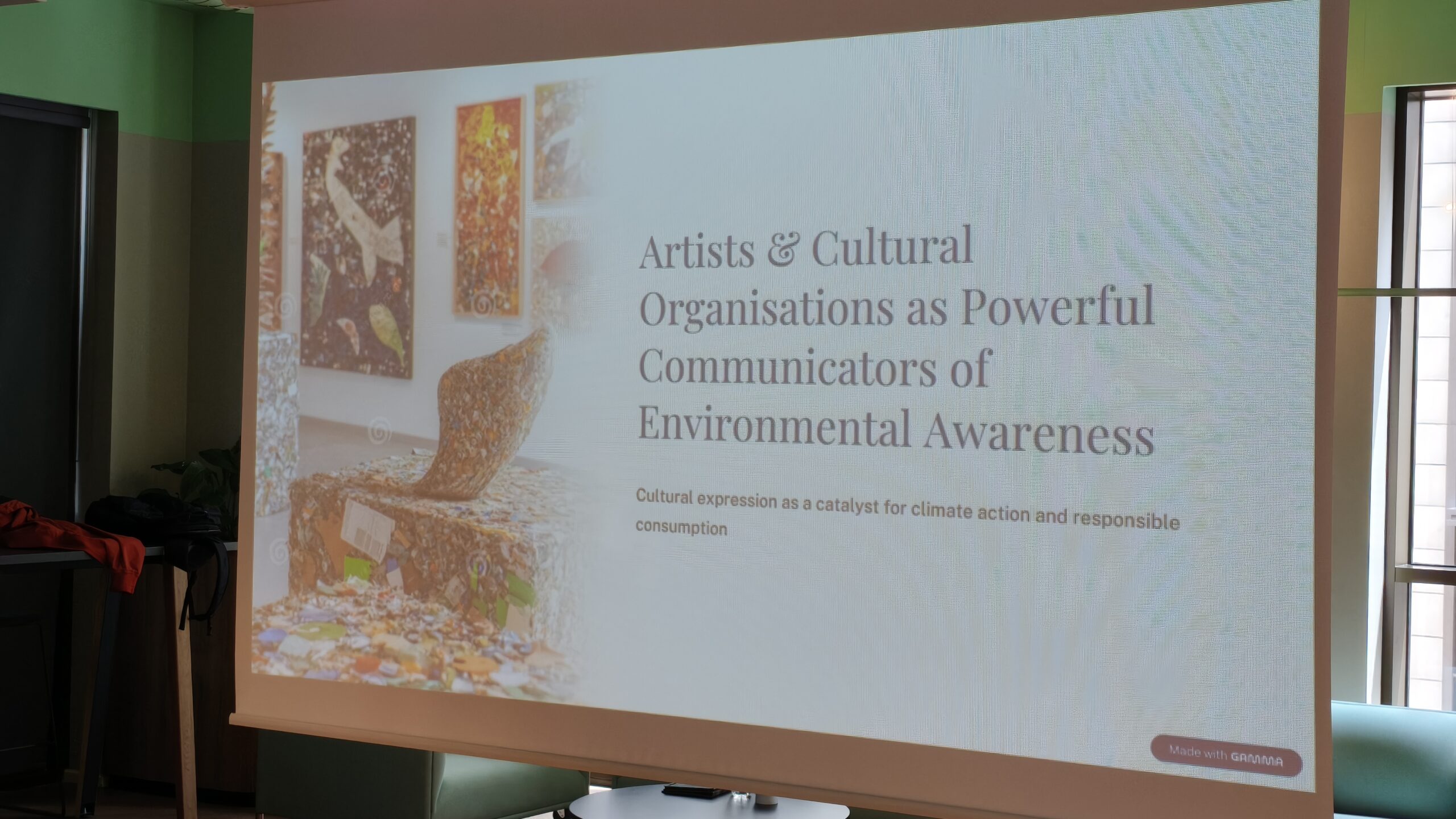

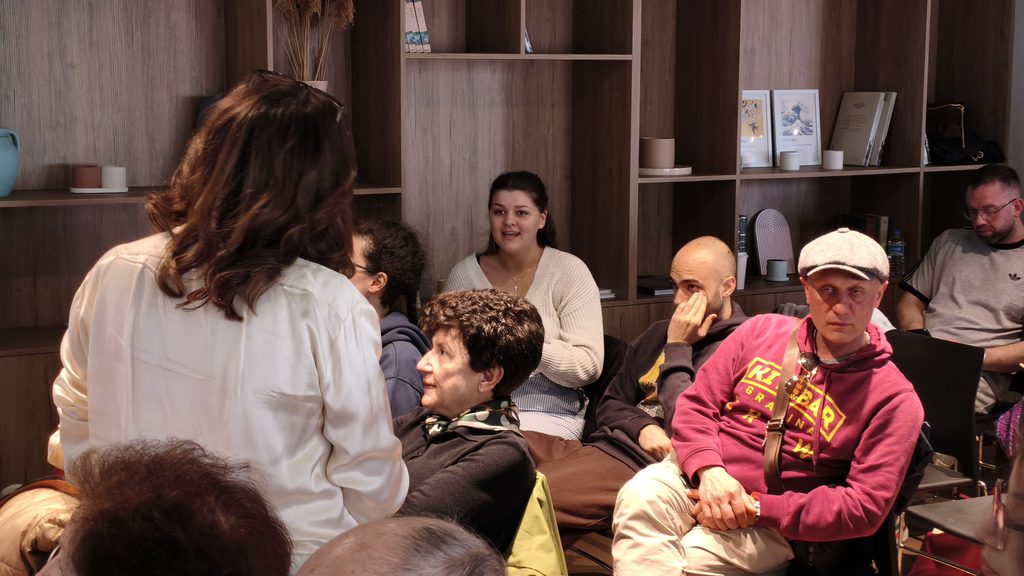
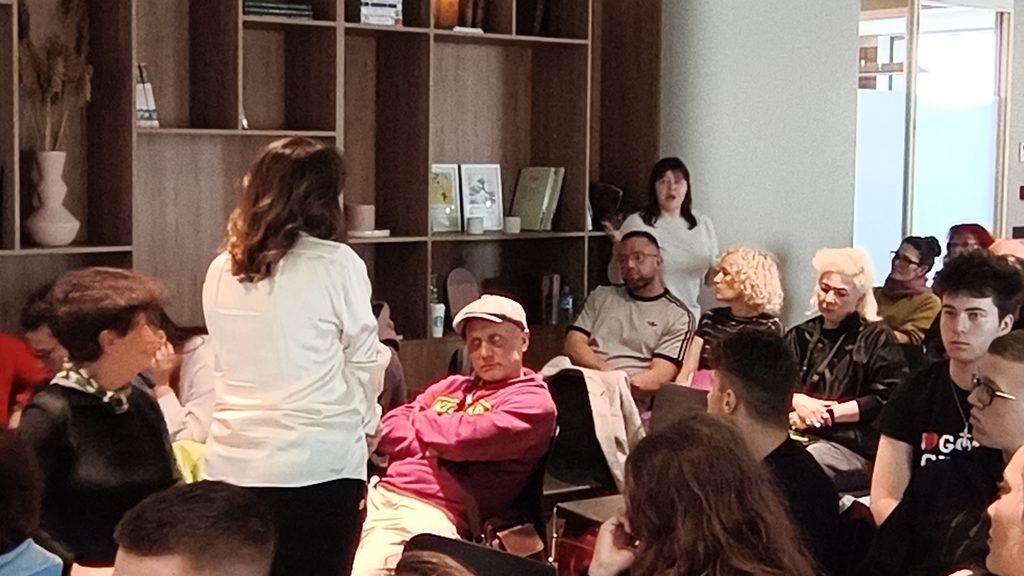
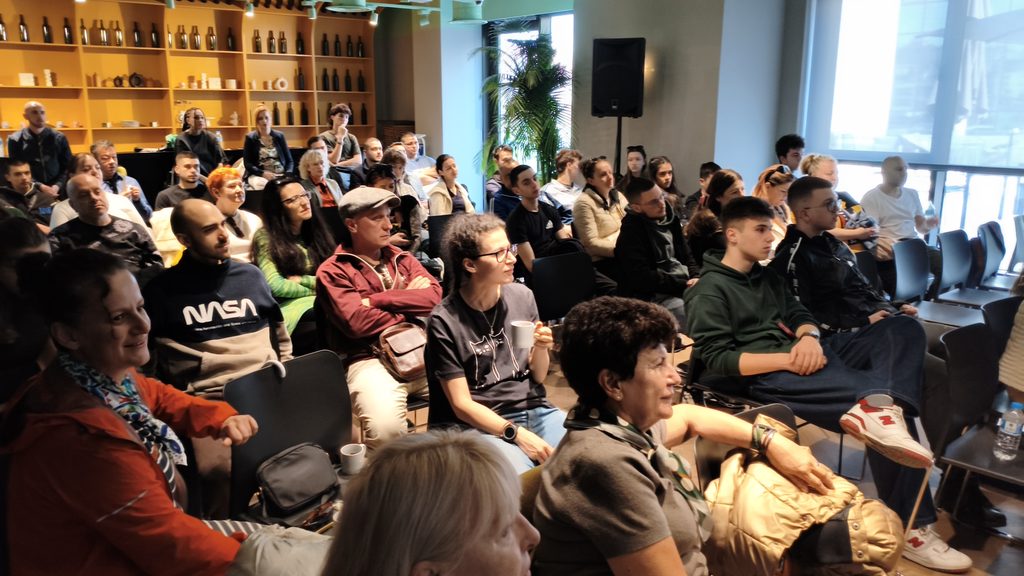
Sustainability, communication, and the relationship between artificial intelligence and artistic expression are at the centre of the latest sessions in “Bridging Culture, Technology and Society in the Digital Age”. The Erasmus+ mobility in Istanbul continues to engage participants from Digital Partnerships for Creative Europe (DiPaCre) through a combination of expert presentations, practical learning, and professional exchange.
Building on the programme’s exploration of culture and digital transformation, these sessions connect broader social challenges with the everyday work of artists, cultural managers, and creative professionals.
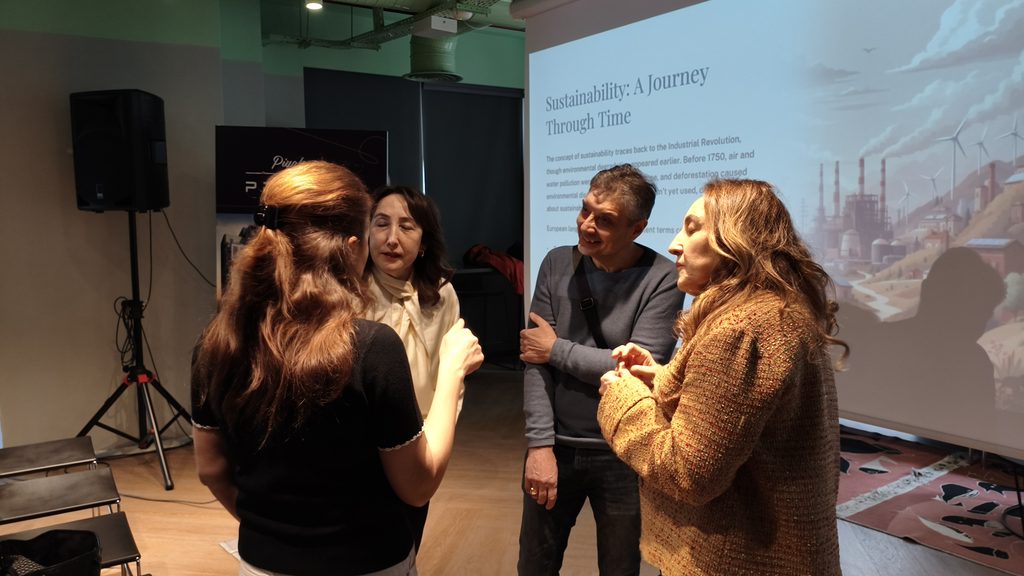
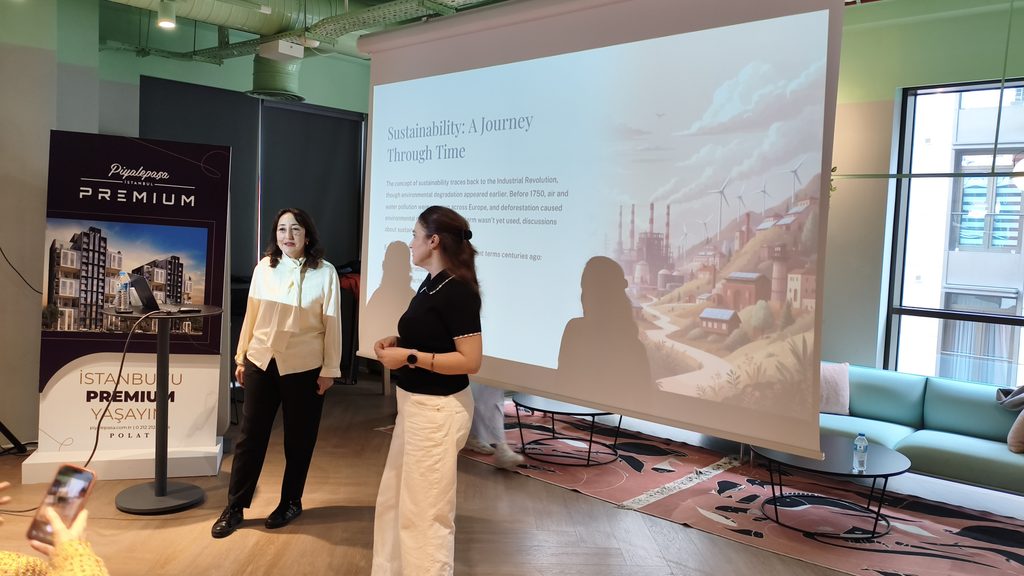
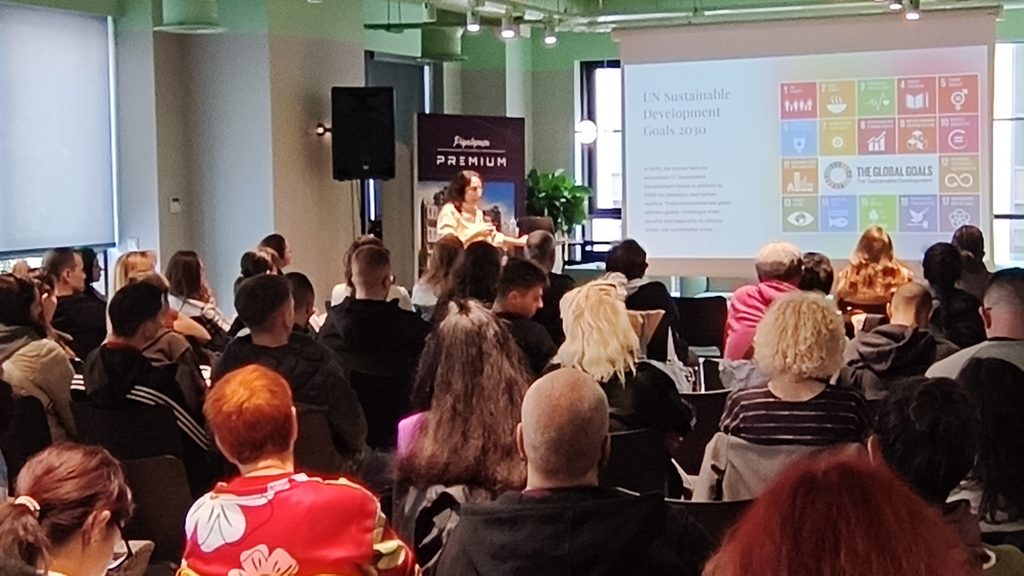
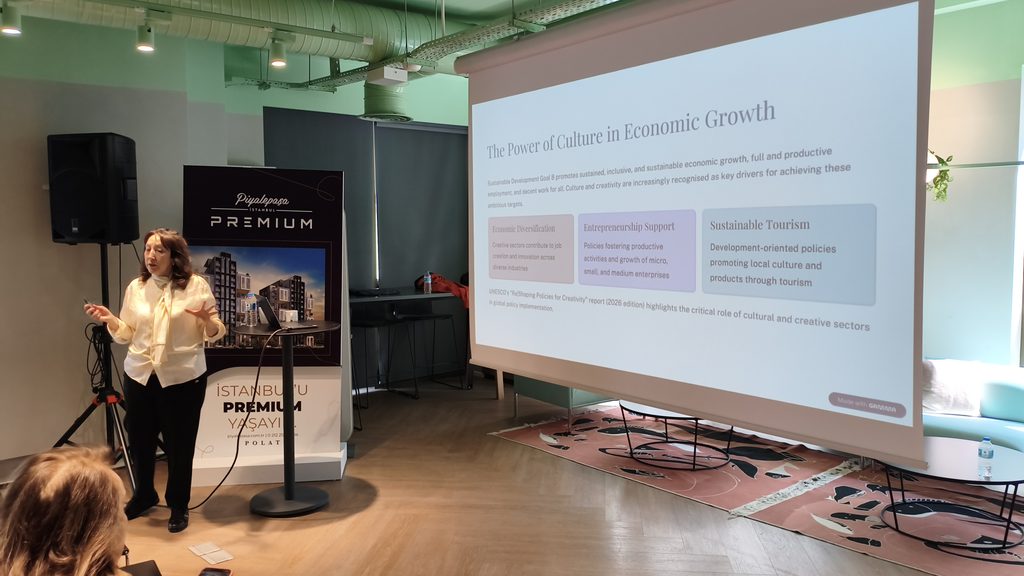
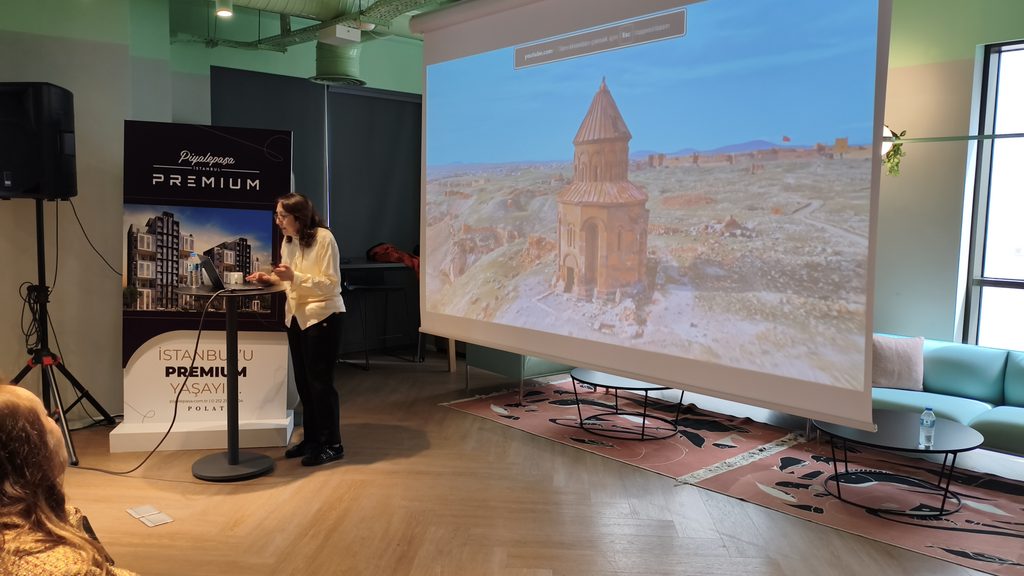
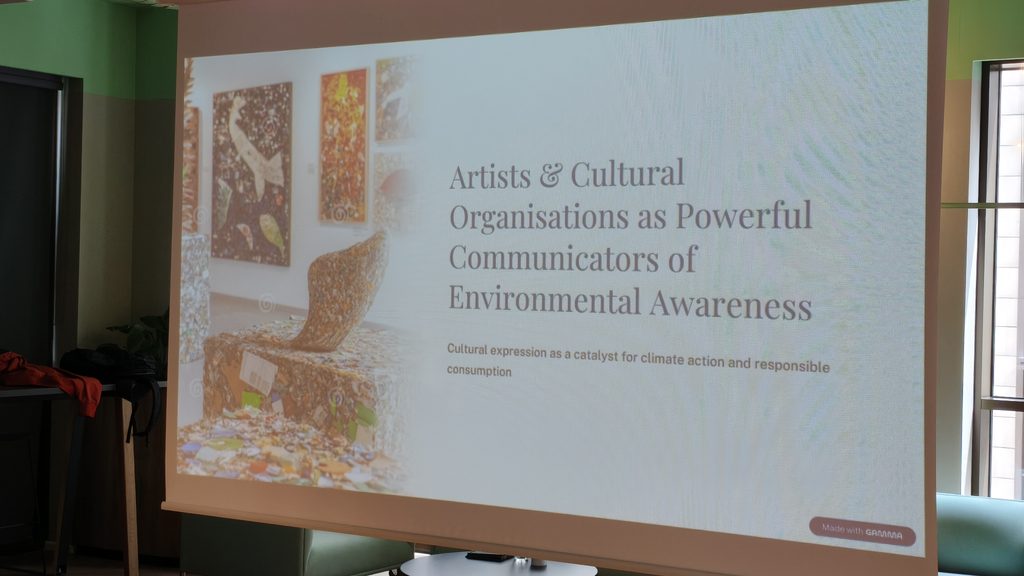
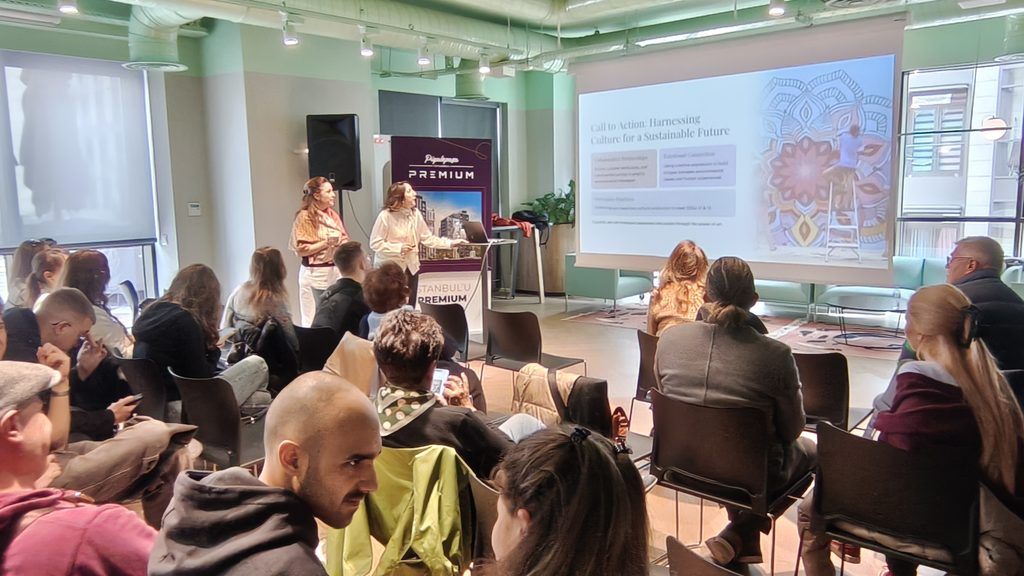
Dr Müge Önal from the Public Relations Department at Istanbul University led a session on the Sustainable Development Goals, focusing on six goals and their connections with real life and good practices:
- Goal 4 – Quality Education
- Goal 5 – Gender Equality
- Goal 10 – Reduced Inequalities
- Goal 11 – Sustainable Cities and Communities
- Goal 12 – Responsible Consumption and Production
- Goal 17 – Partnerships for the Goals
For the cultural and creative sector, these themes provide a valuable framework for thinking about access to learning, participation, representation, and responsible project development. Connecting the goals with practical examples helps participants consider how sustainability and inclusion can inform their professional decisions.
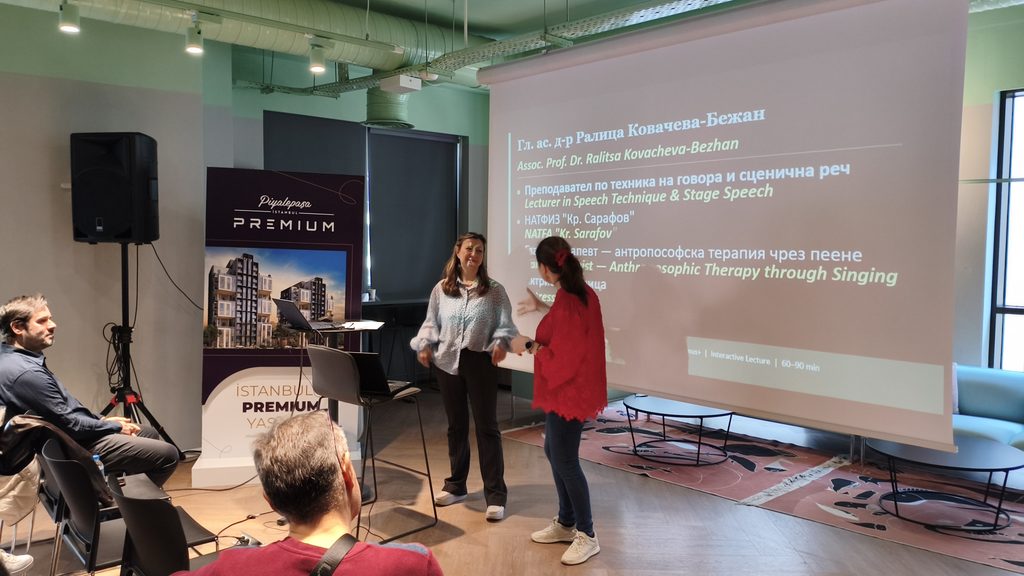
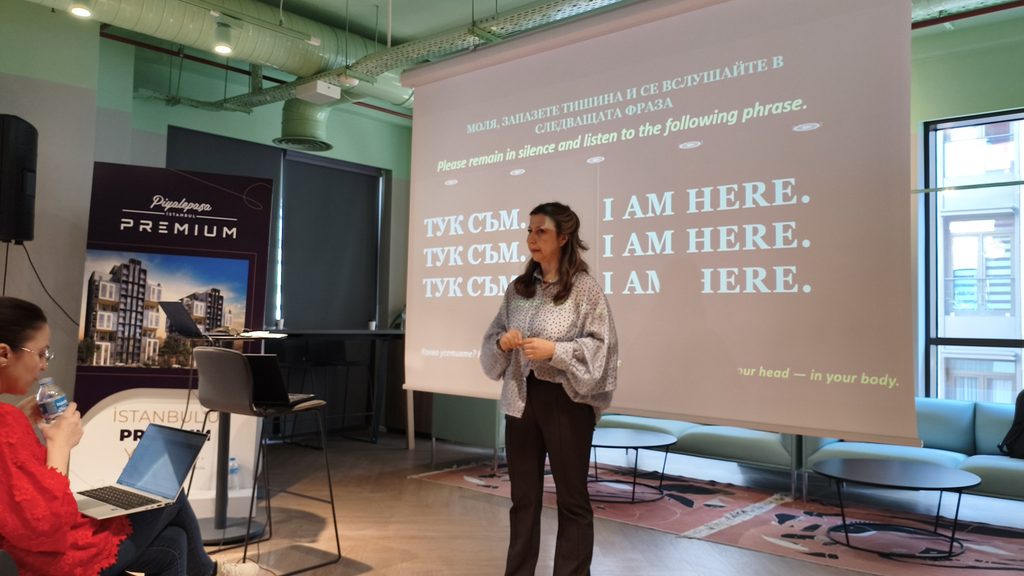
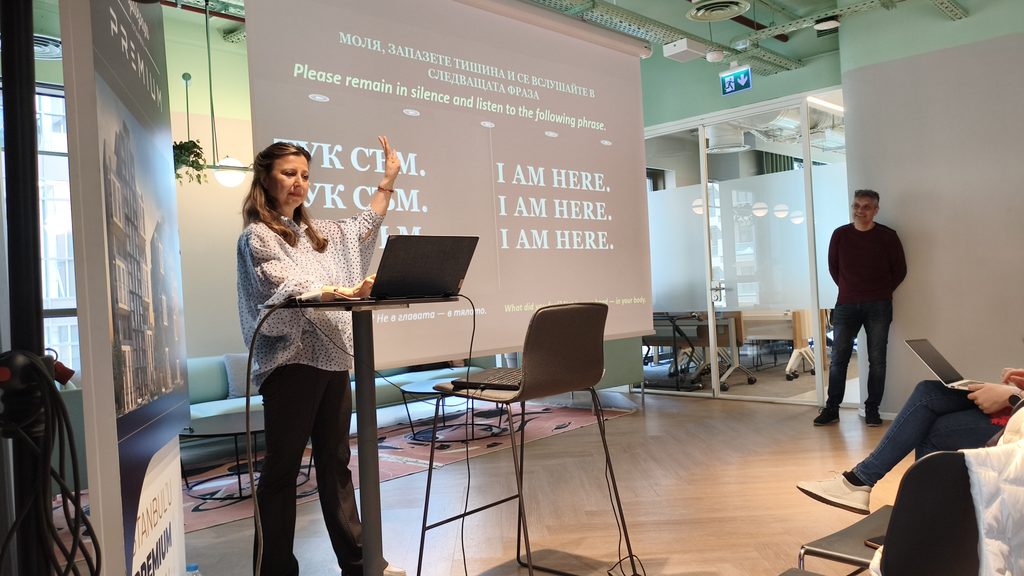
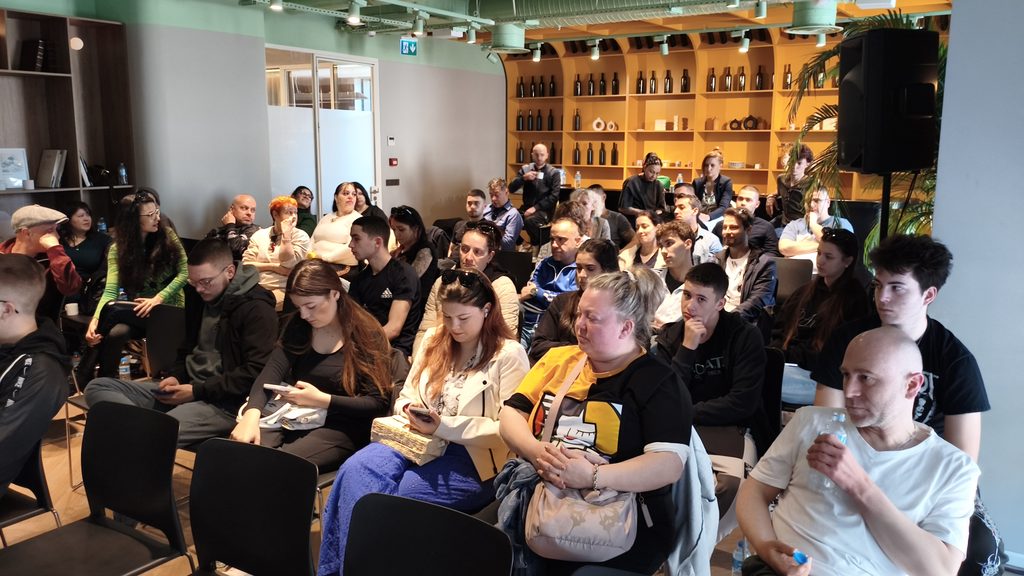
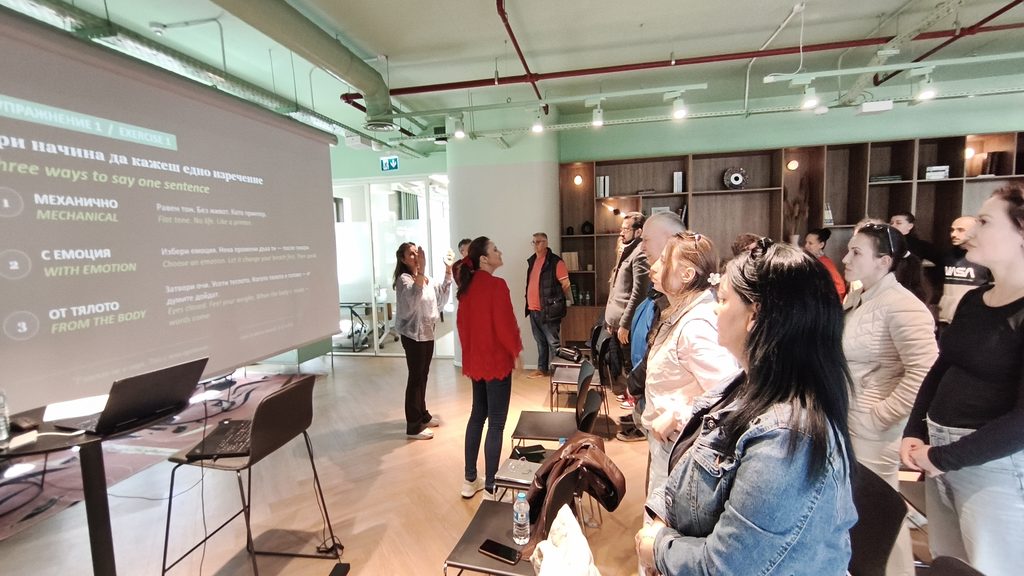
Communication was another key focus of the programme. Ralitsa Bejan, PhD, from the National Theatre Academy, delivered a session on public speaking and stage presence, with an emphasis on effective communication and audience engagement. These skills are relevant across the creative sector—from presenting an artistic concept and introducing a cultural project to performing and facilitating public discussions.
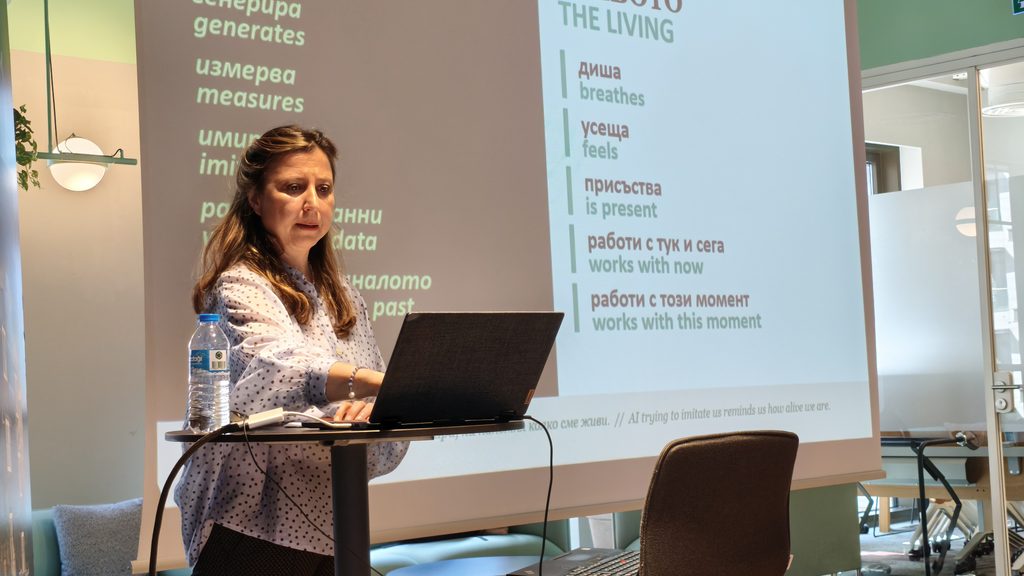
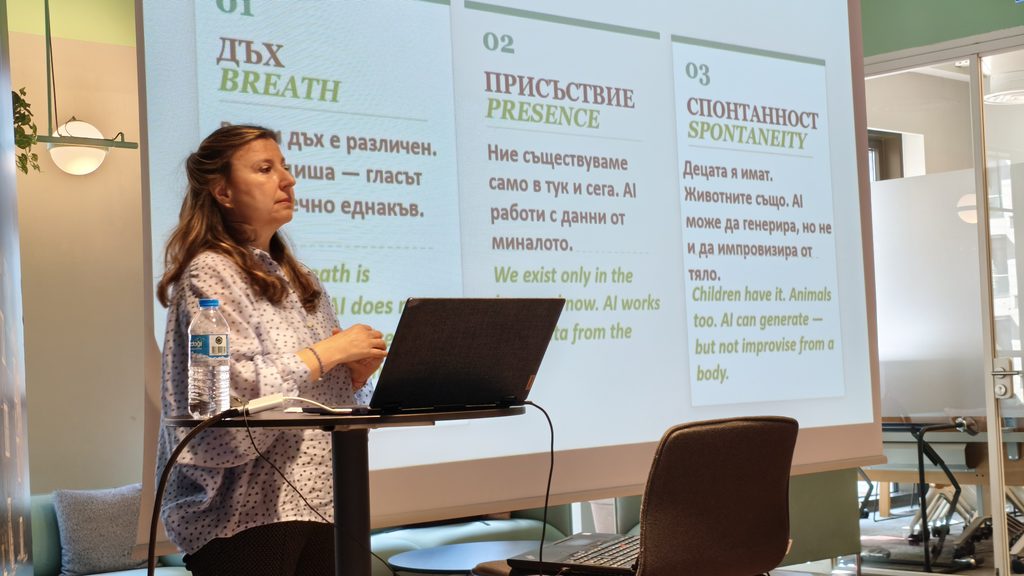
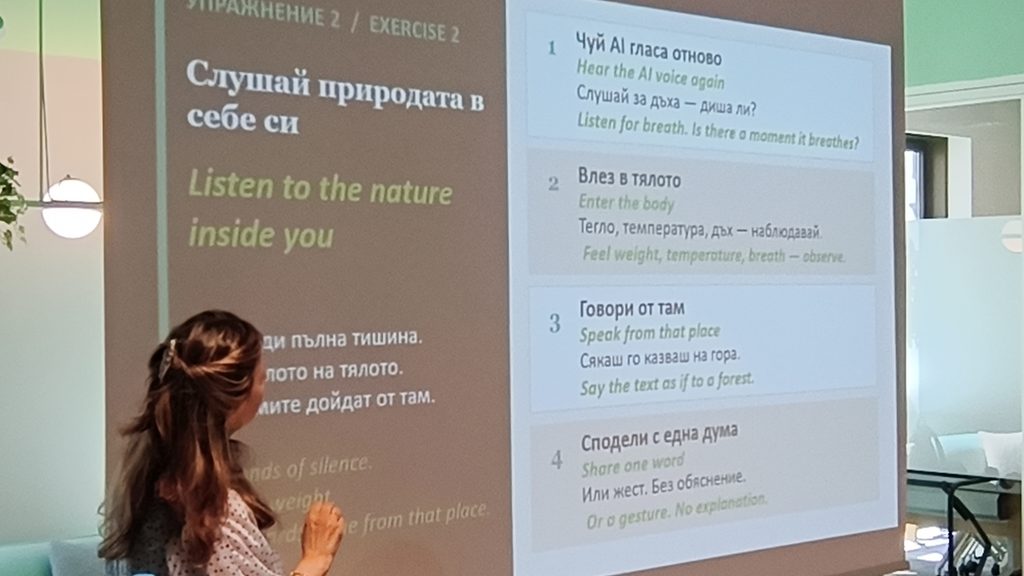
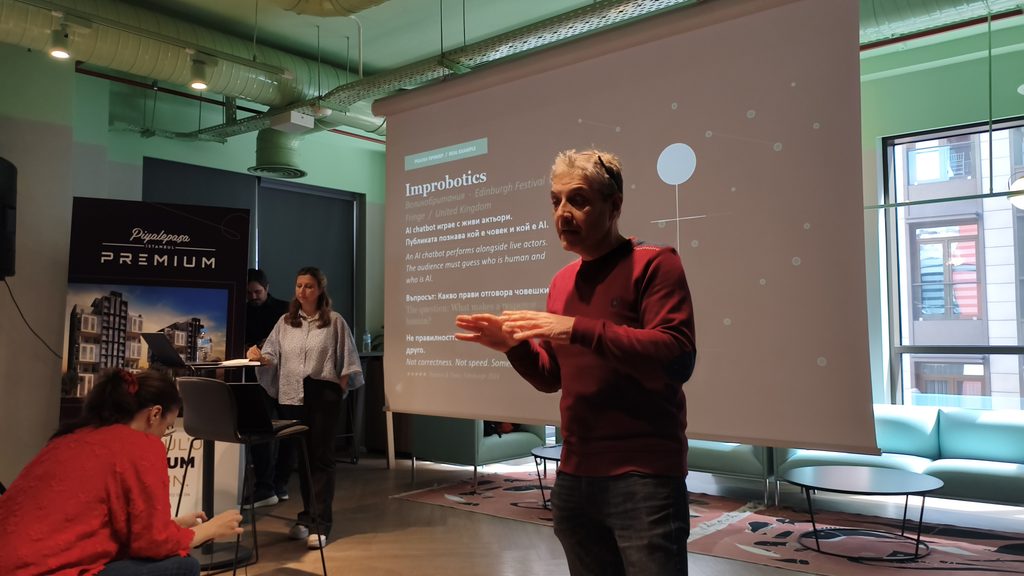
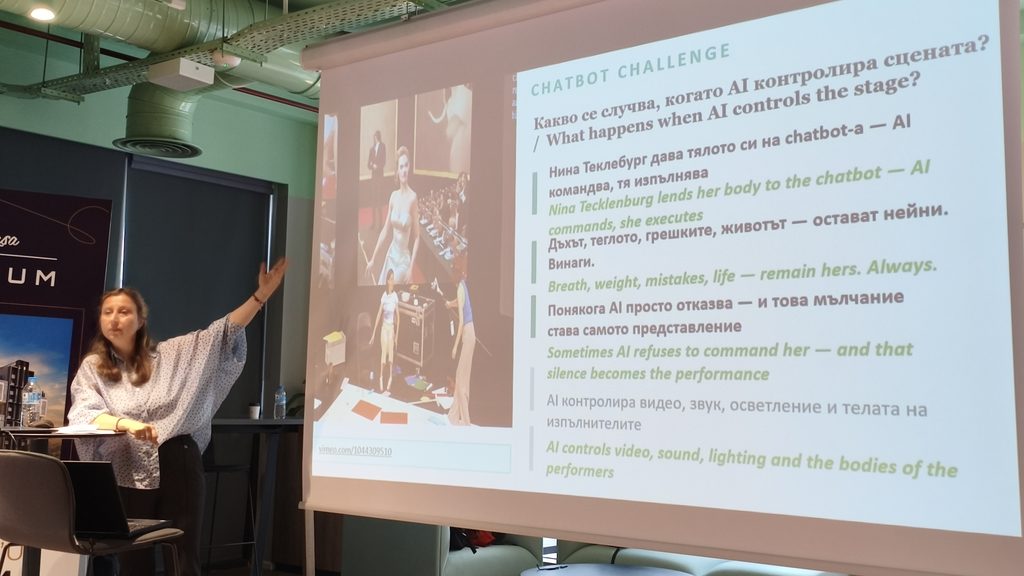
The programme also explored artificial intelligence and its integration in acting. This session encouraged participants to consider new creative possibilities and the evolving relationship between technology and artistic expression. It opened space for reflection on how digital tools can enter the creative process and what their use means for the role of the performer.
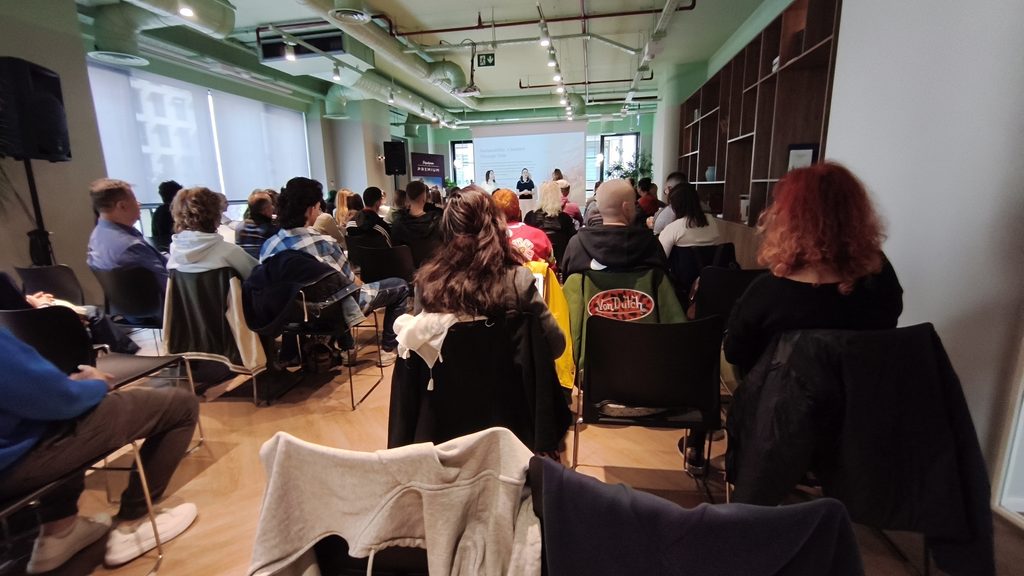
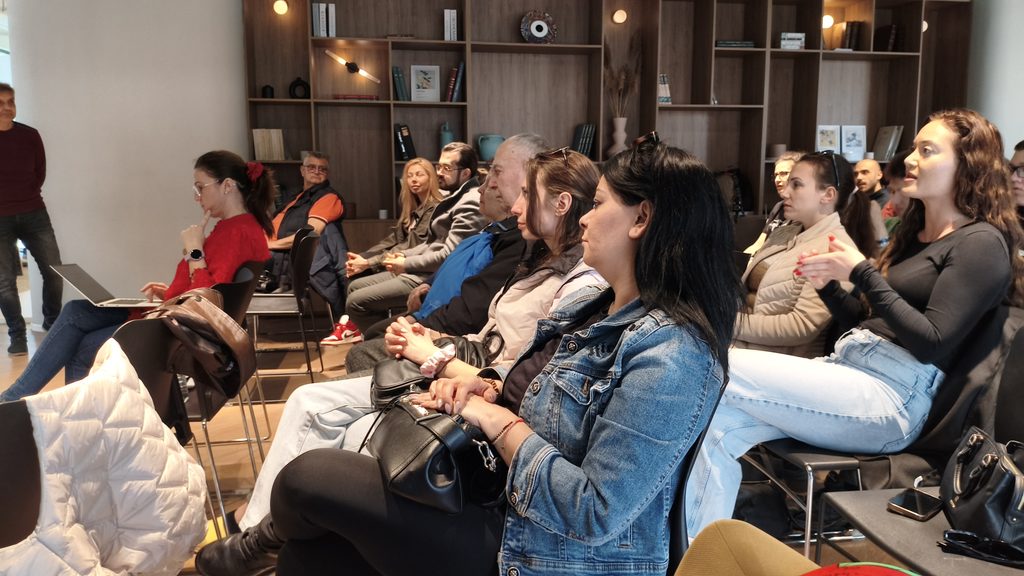
Across these sessions, theory and hands-on practice help participants connect new ideas with their own experience. The range of topics encourages them to look beyond individual tools and techniques and consider how artistic practice, communication, and social responsibility interact.
The mobility also continues to strengthen collaboration and knowledge exchange among participants from the cultural and creative sectors. Learning together in an international environment creates opportunities to exchange perspectives, identify shared interests, and build professional relationships across borders.
For DiPaCre, these activities put the aims of our Erasmus+ accredited mobility programme into practice: supporting continuous learning, developing relevant skills, and strengthening European cooperation in culture and creativity.
We will continue sharing highlights from Istanbul as participants explore further connections between culture, technology, and society.
Leave a Reply