

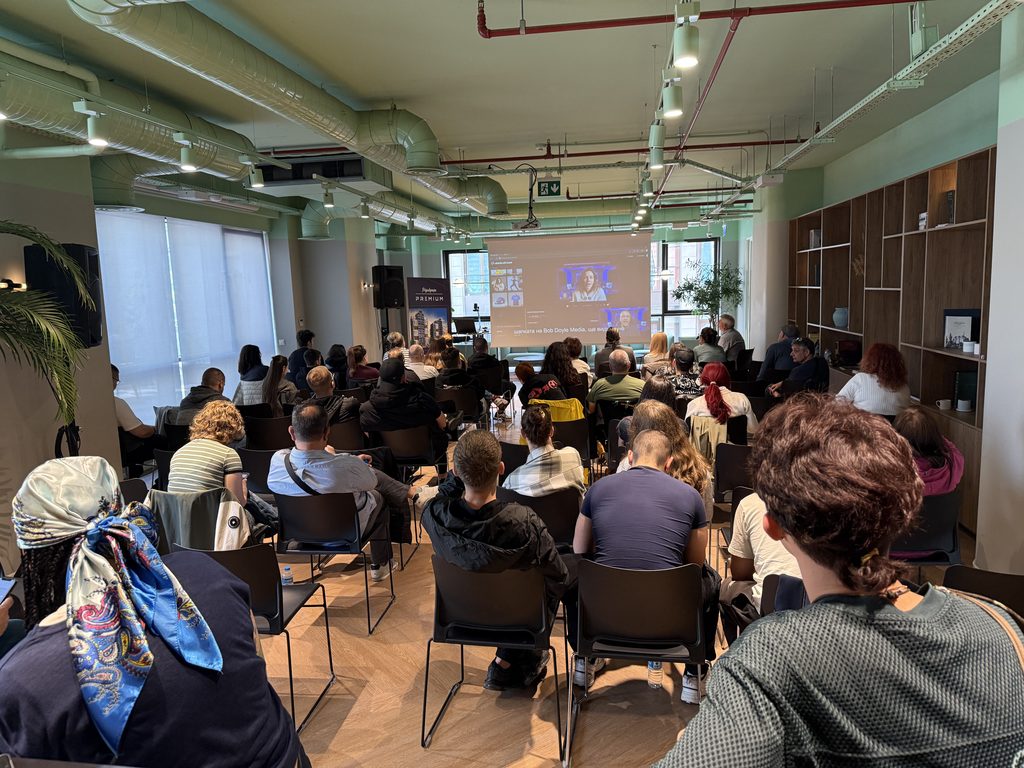
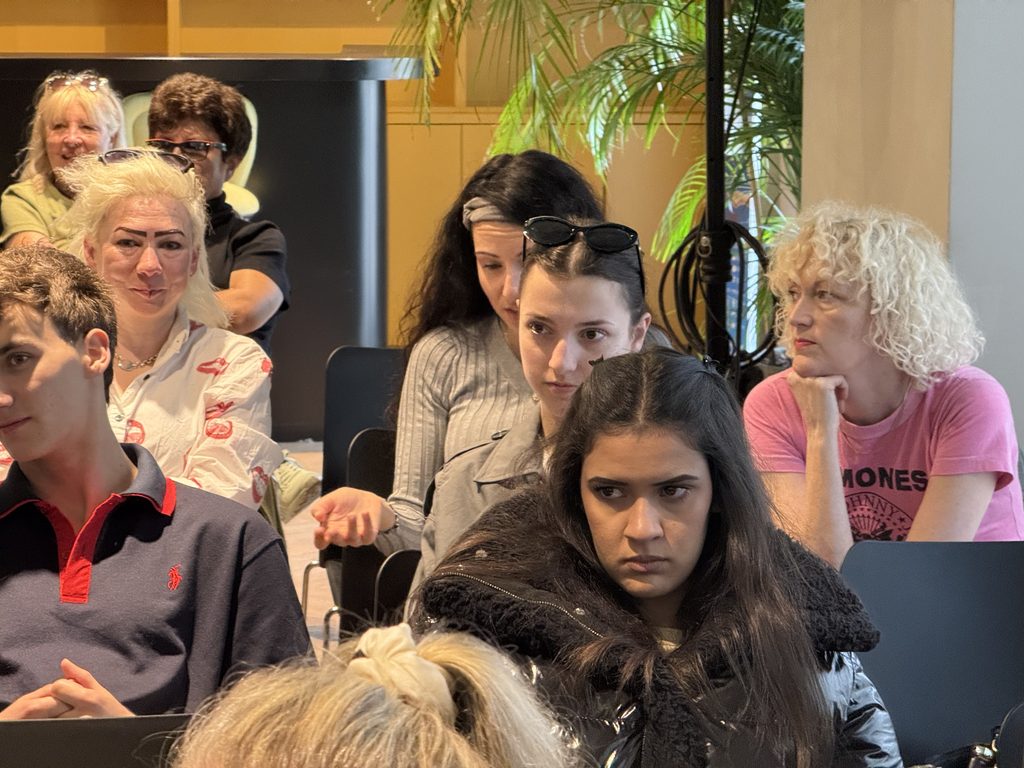
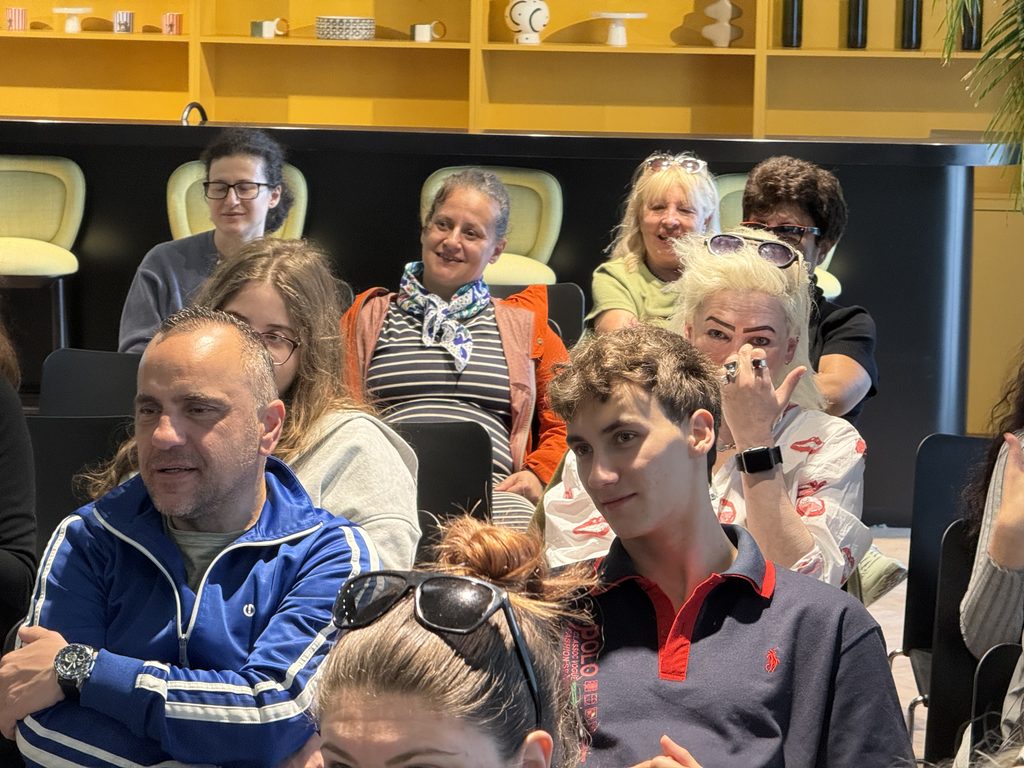
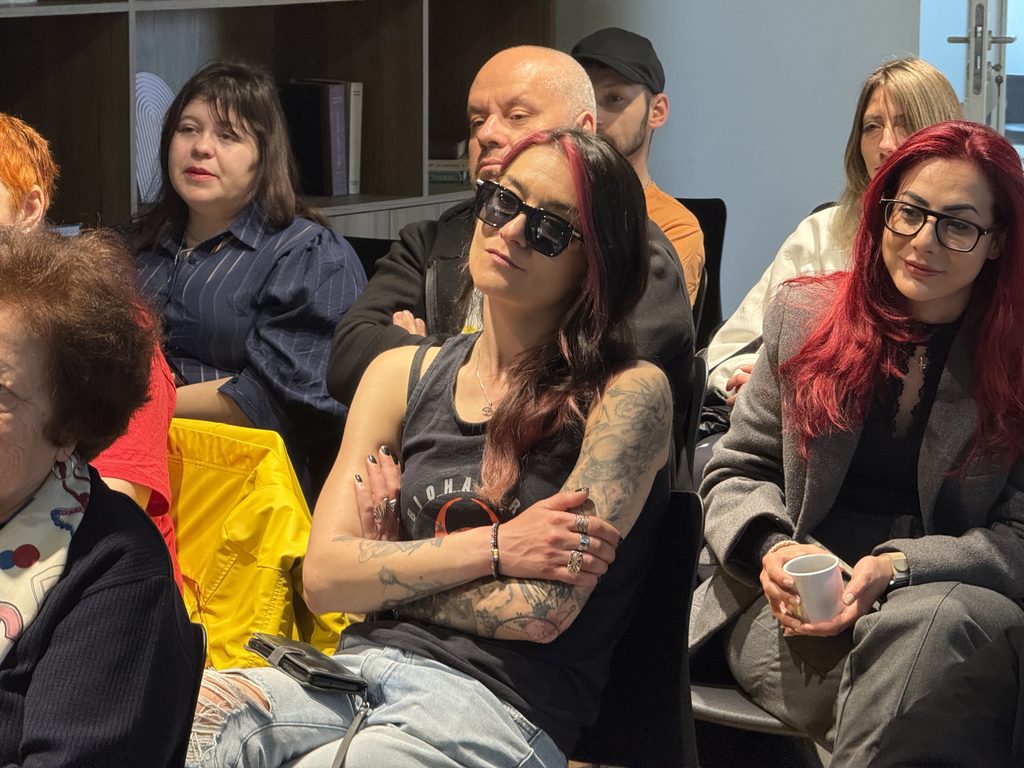
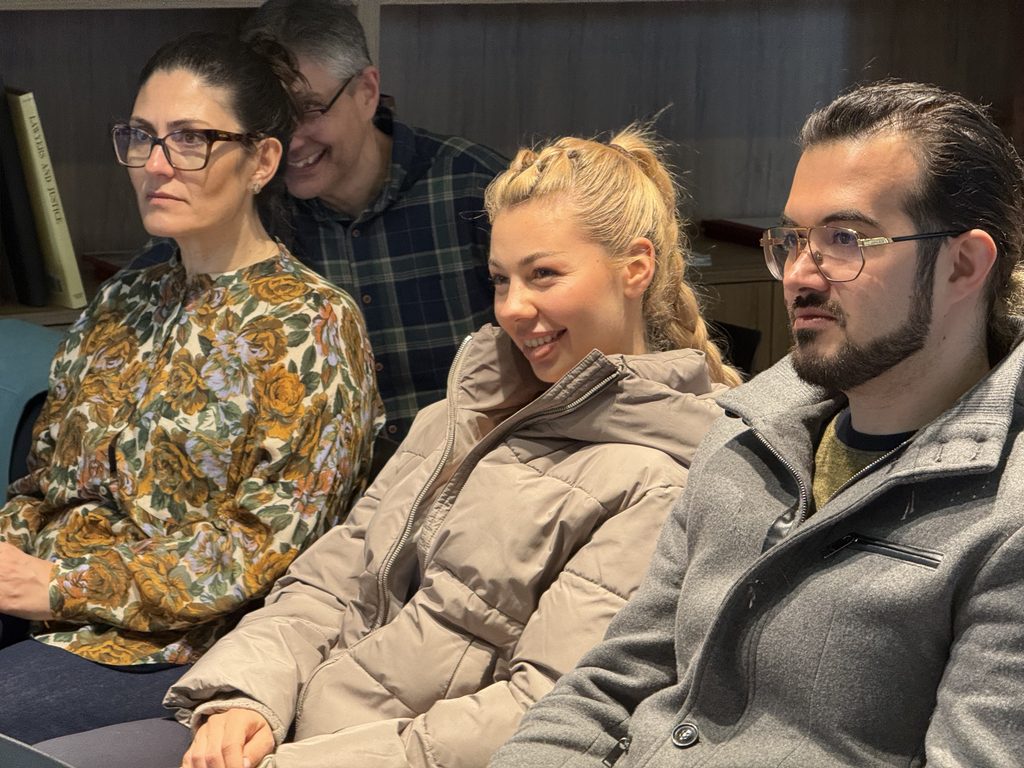
Understanding digital information, documenting cultural events, and exploring new approaches to theatrical production are the focus of the latest sessions in “Bridging Culture, Technology and Society in the Digital Age”. Participants from Digital Partnerships for Creative Europe (DiPaCre) continue their Erasmus+ learning experience in Istanbul, connecting critical reflection with practical skills for the cultural and creative sectors.
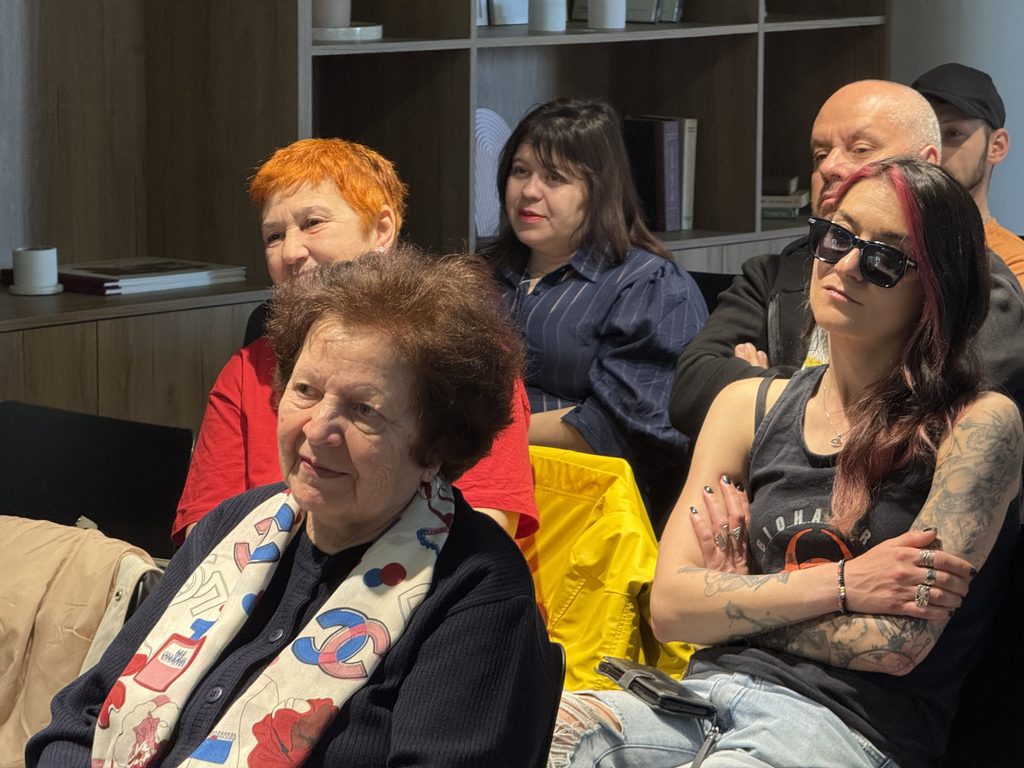
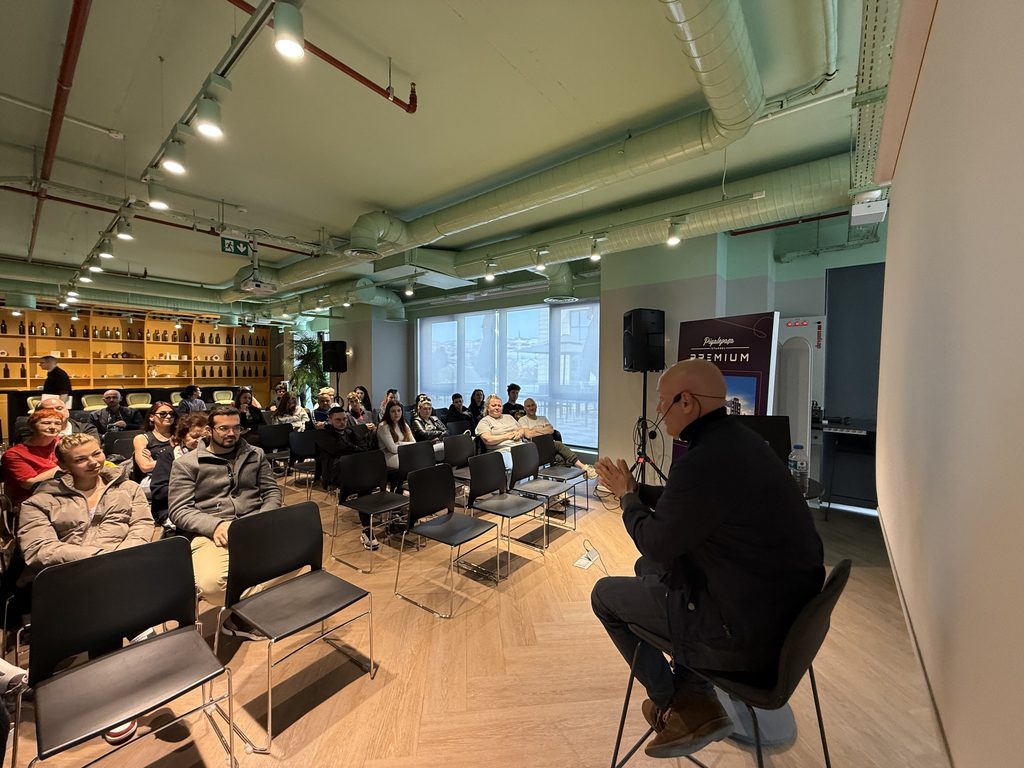
The recent programme brings together perspectives from academia, film, and theatre. Each session explores a different aspect of digital transformation: how we interpret information, how we communicate cultural experiences, and how we use emerging technologies in artistic creation.
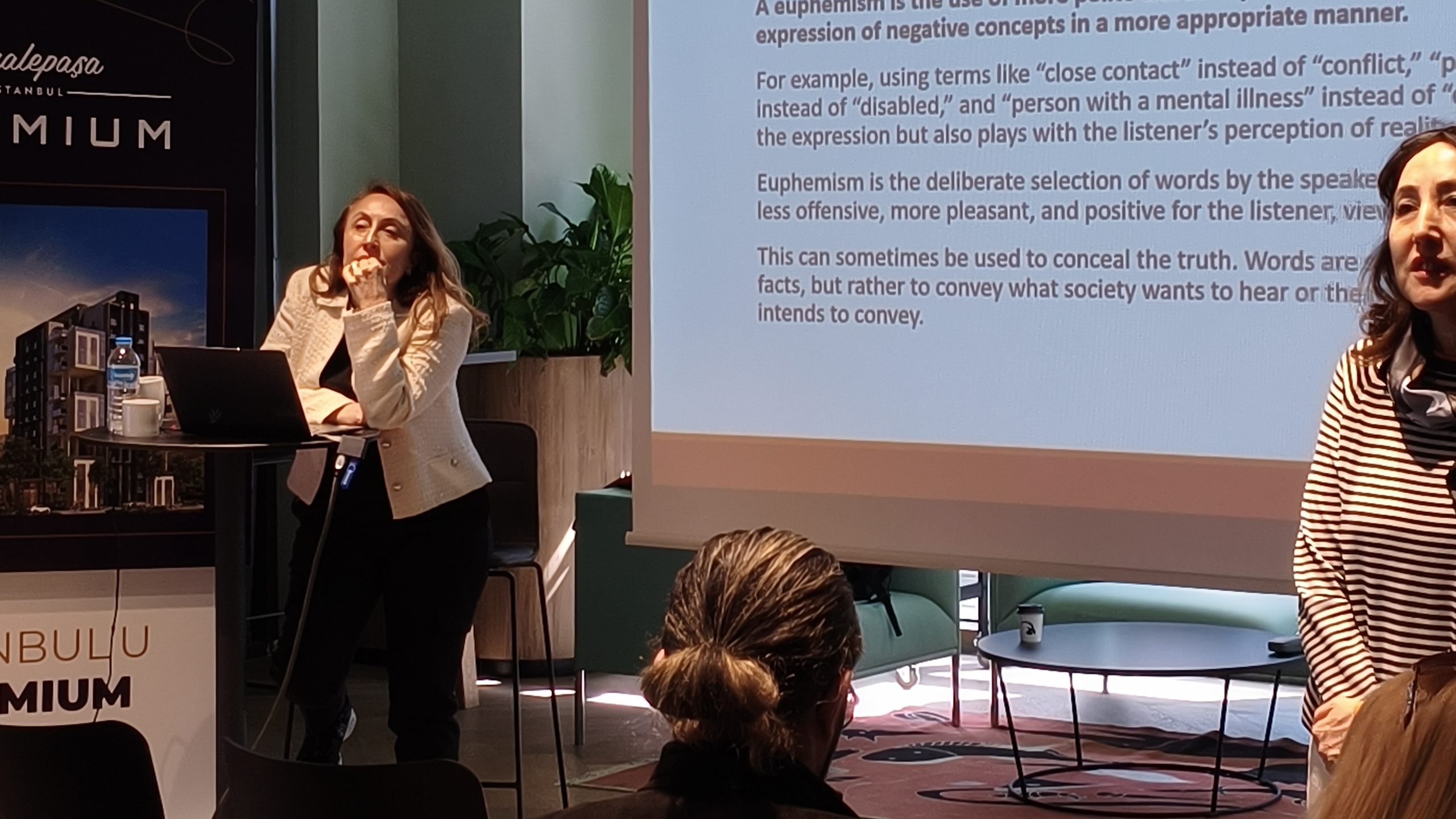
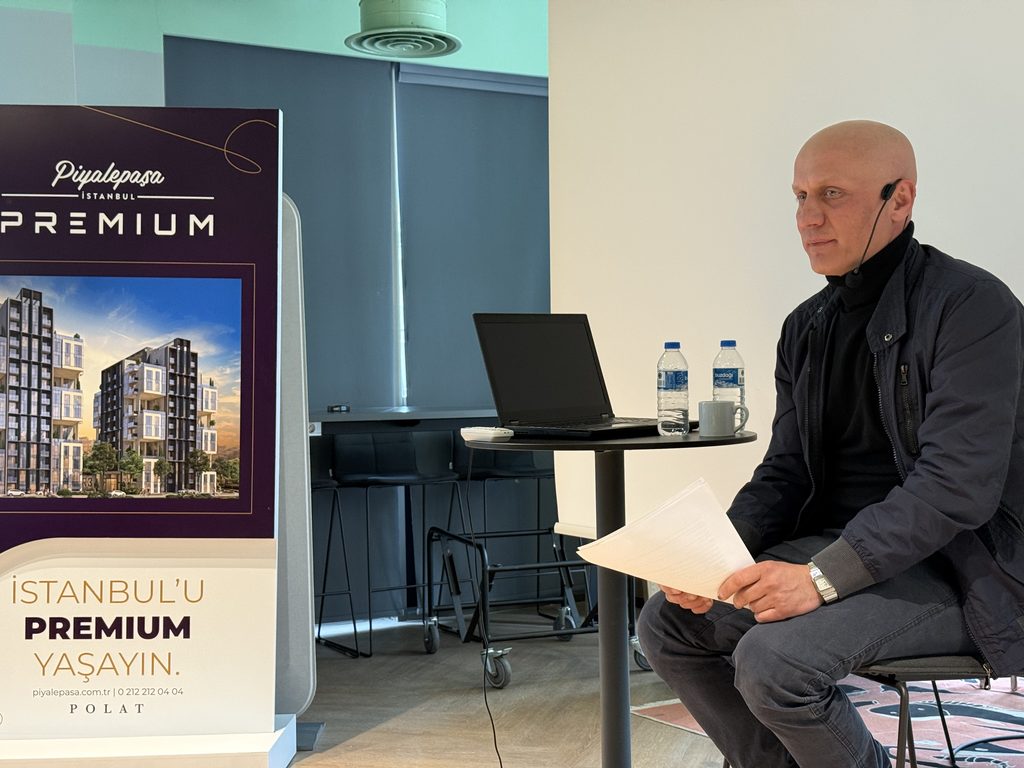
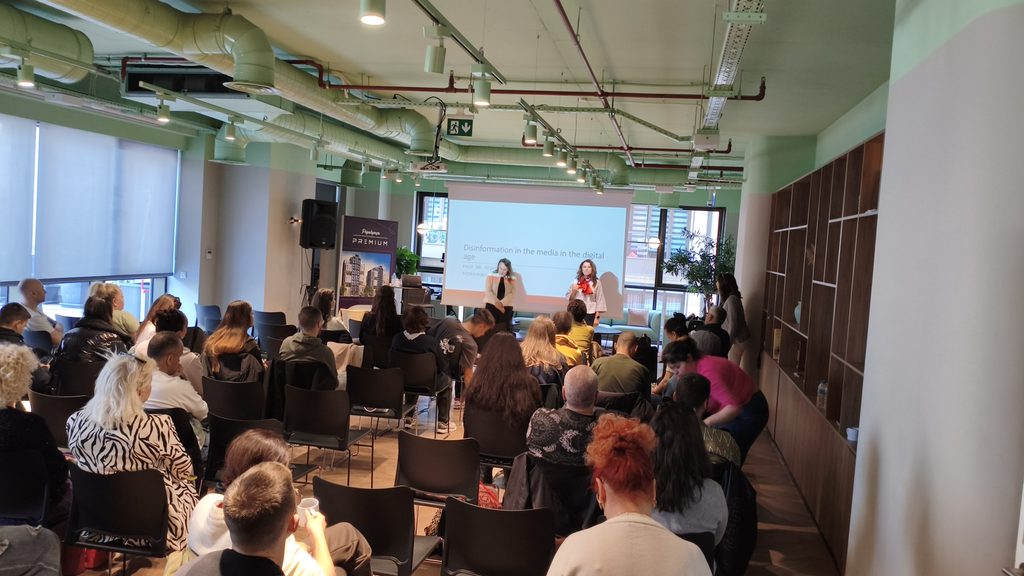
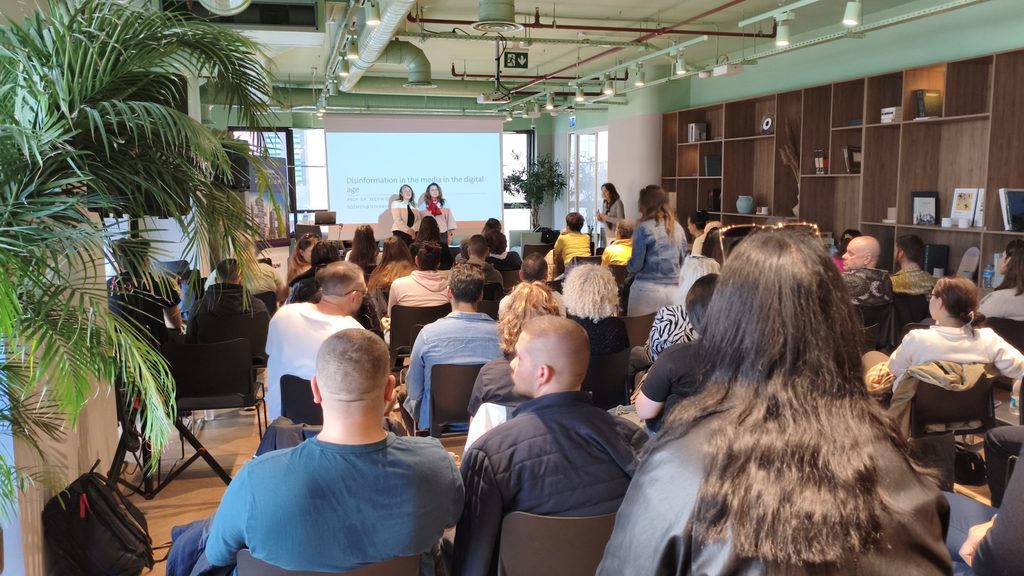
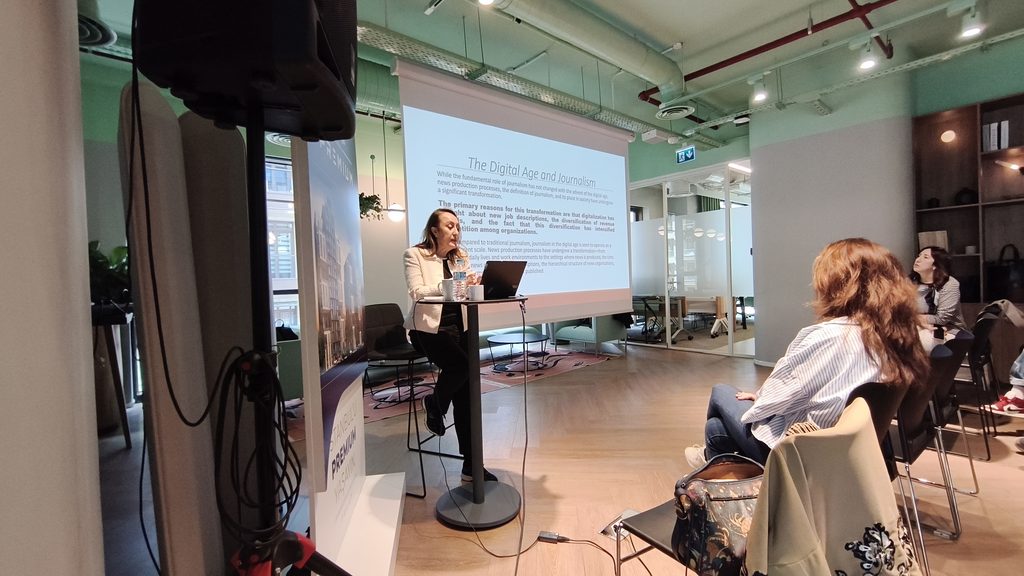
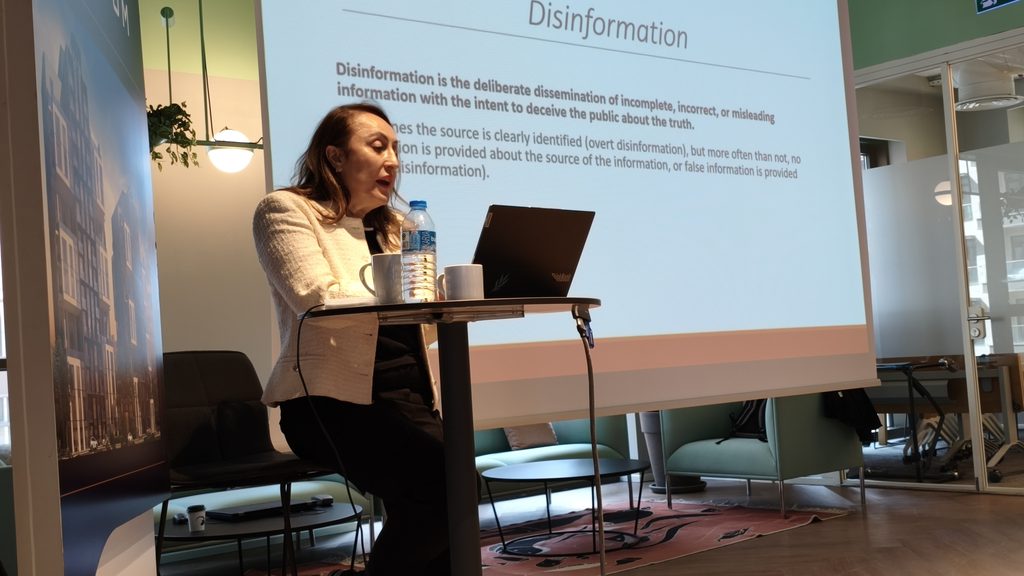
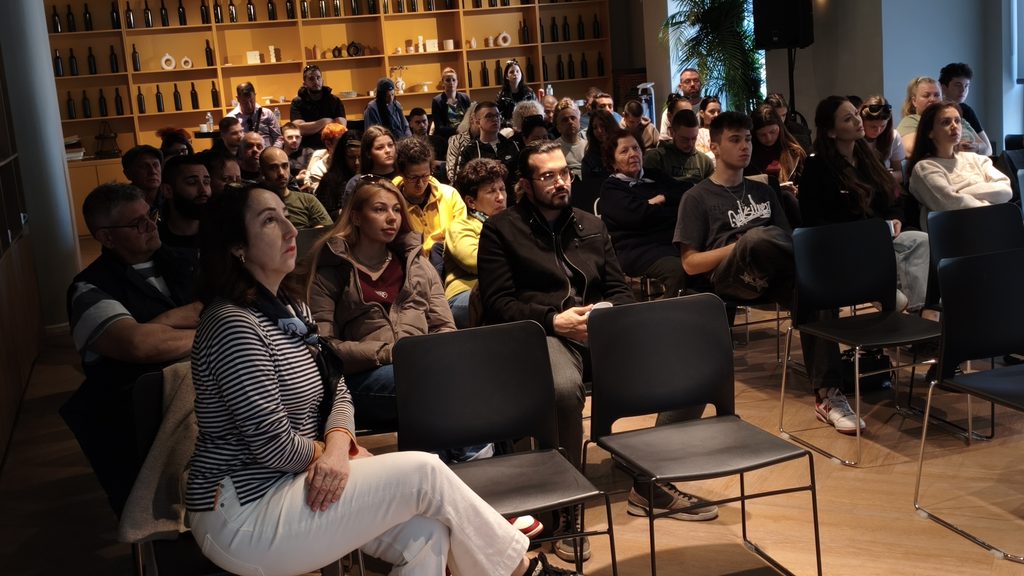
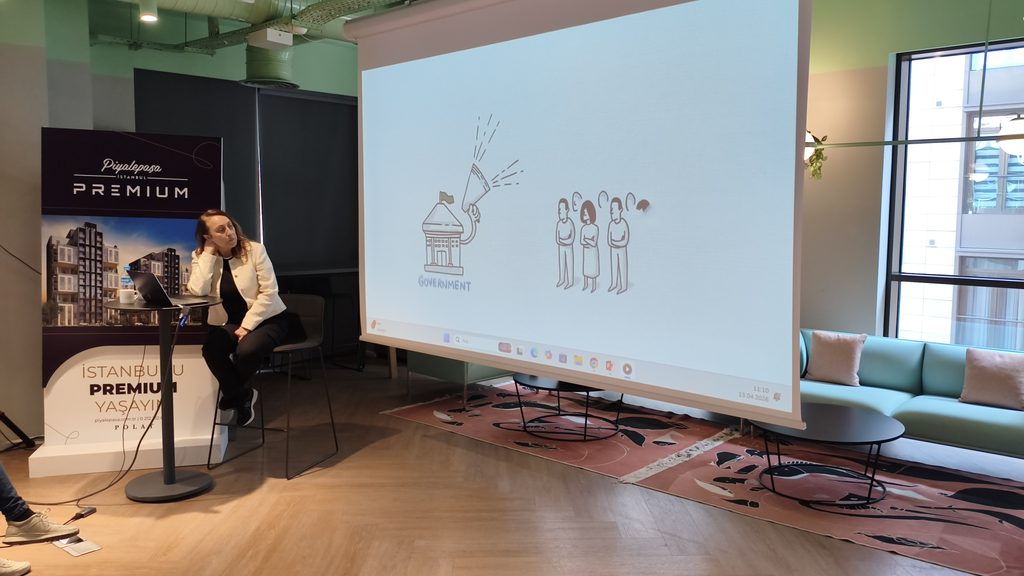
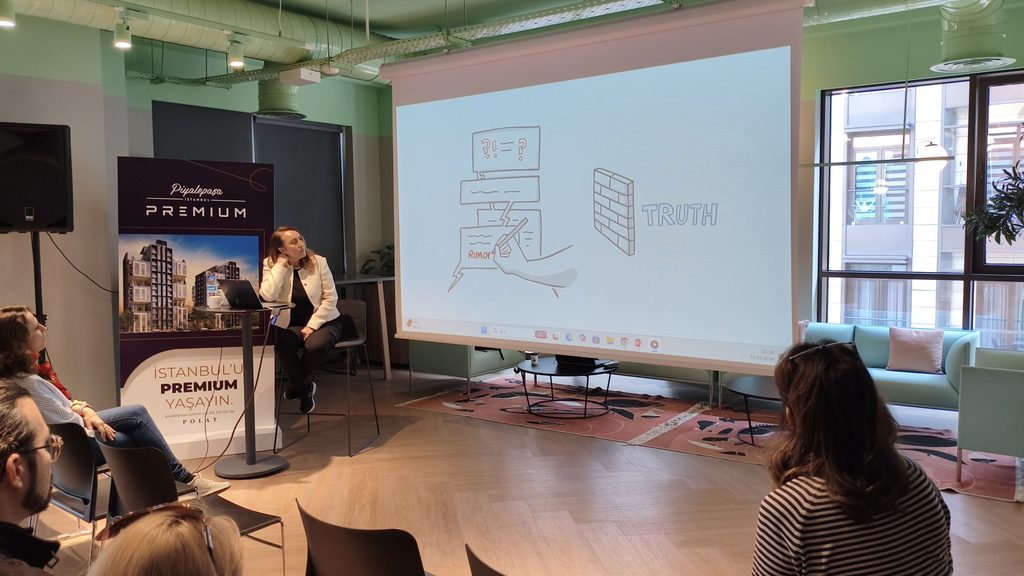
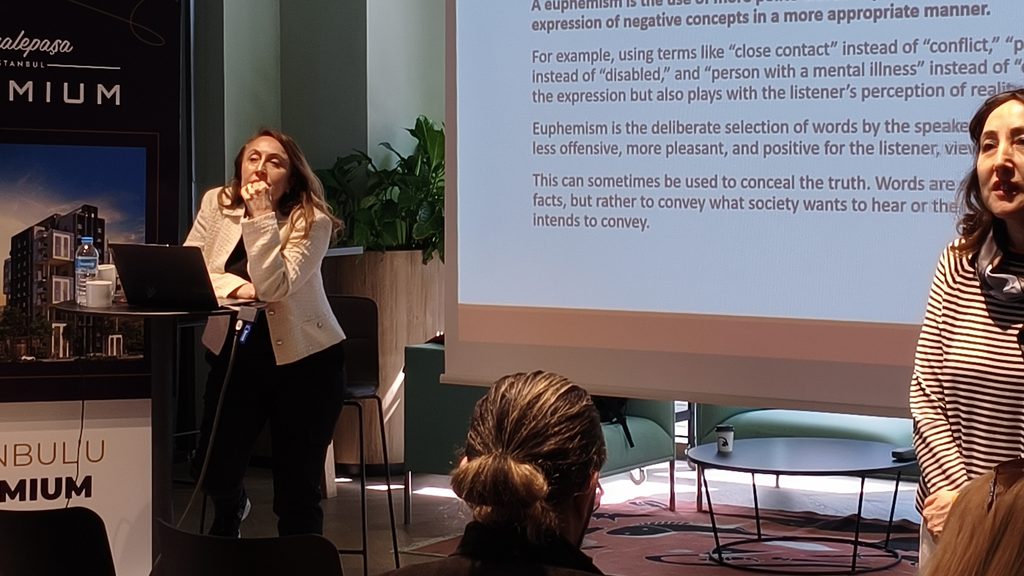
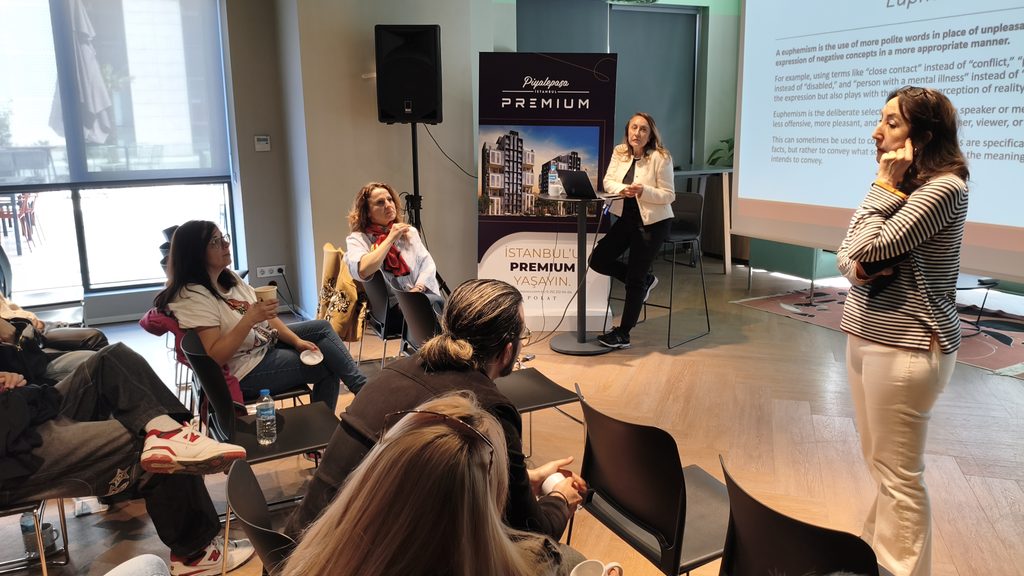
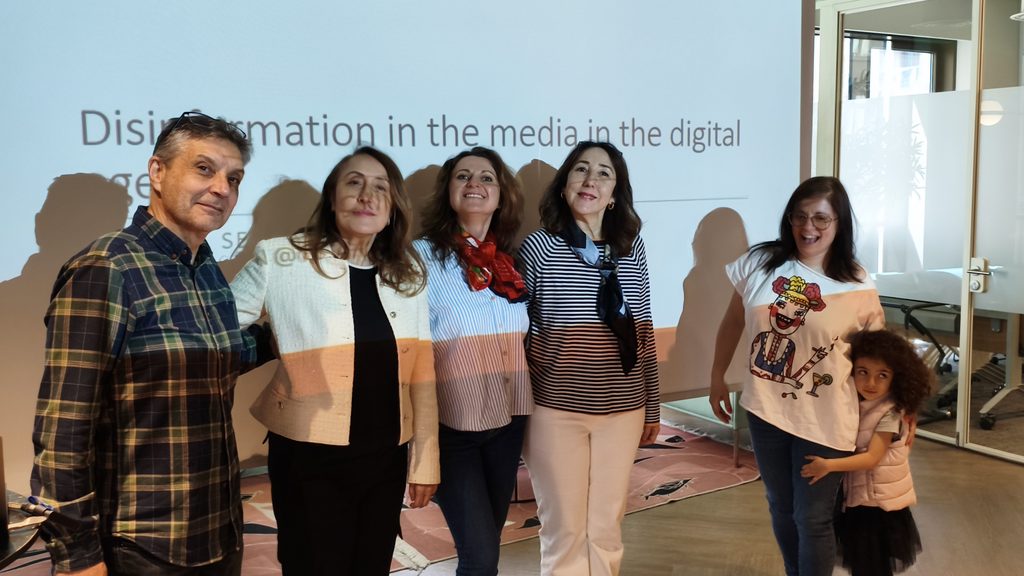
Prof. Dr Seçkin Özmen from Istanbul University led the session “Disinformation in the Media in the Age of Digital Communication.” Exploring media influence, misinformation, and the role of critical thinking, the session encouraged participants to examine the digital information environment more carefully.
For cultural professionals, media literacy is closely connected to public communication and audience trust. The topic invites reflection on how information is selected, interpreted, and shared, and why a critical approach matters when communicating cultural projects online.
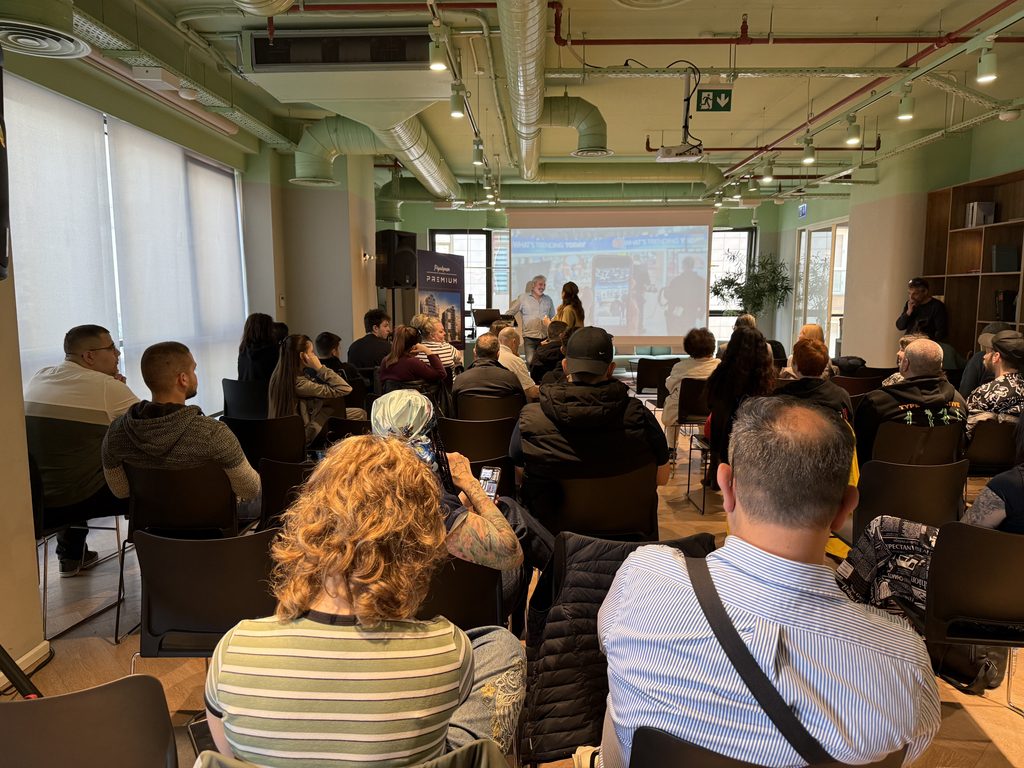
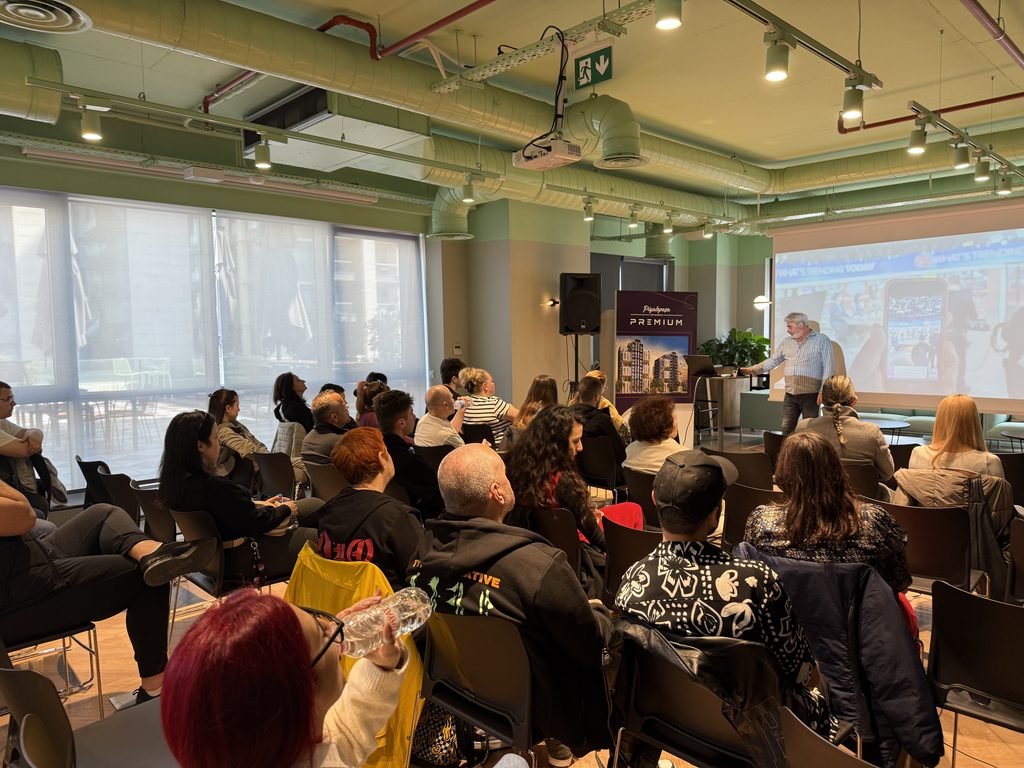
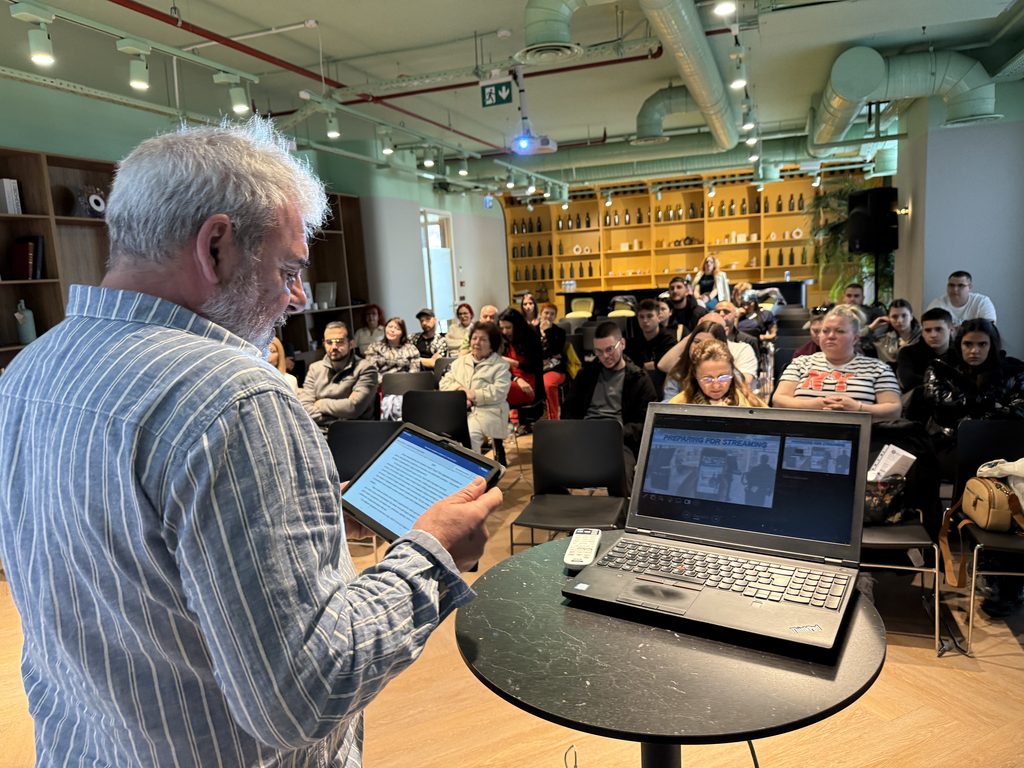
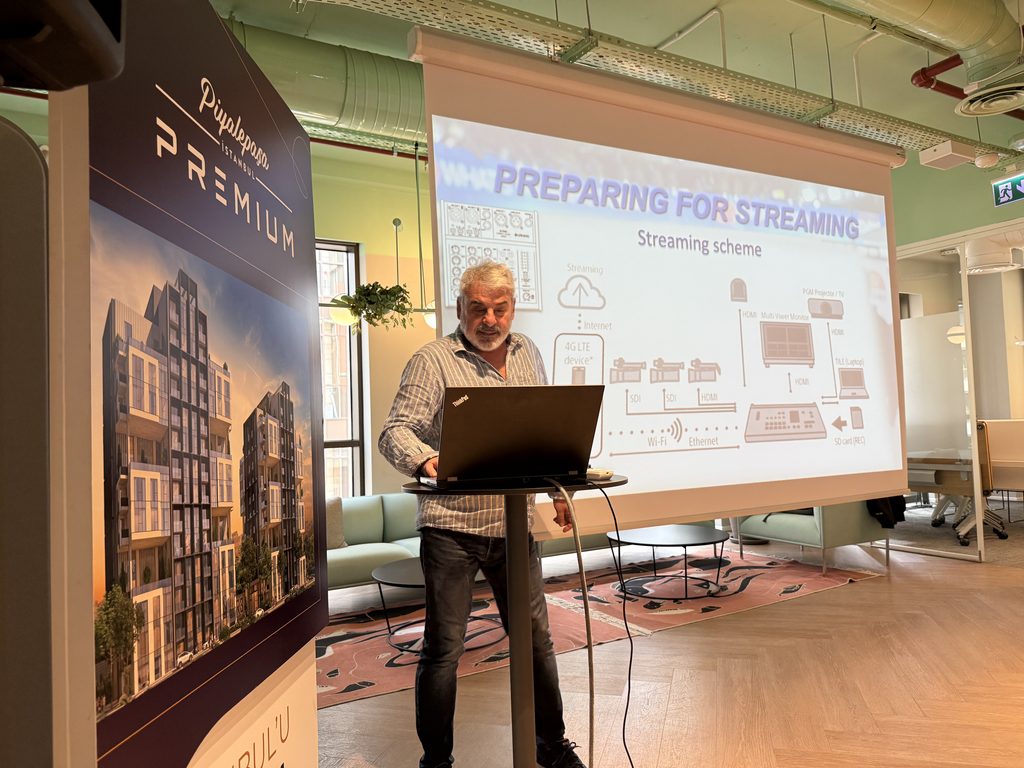
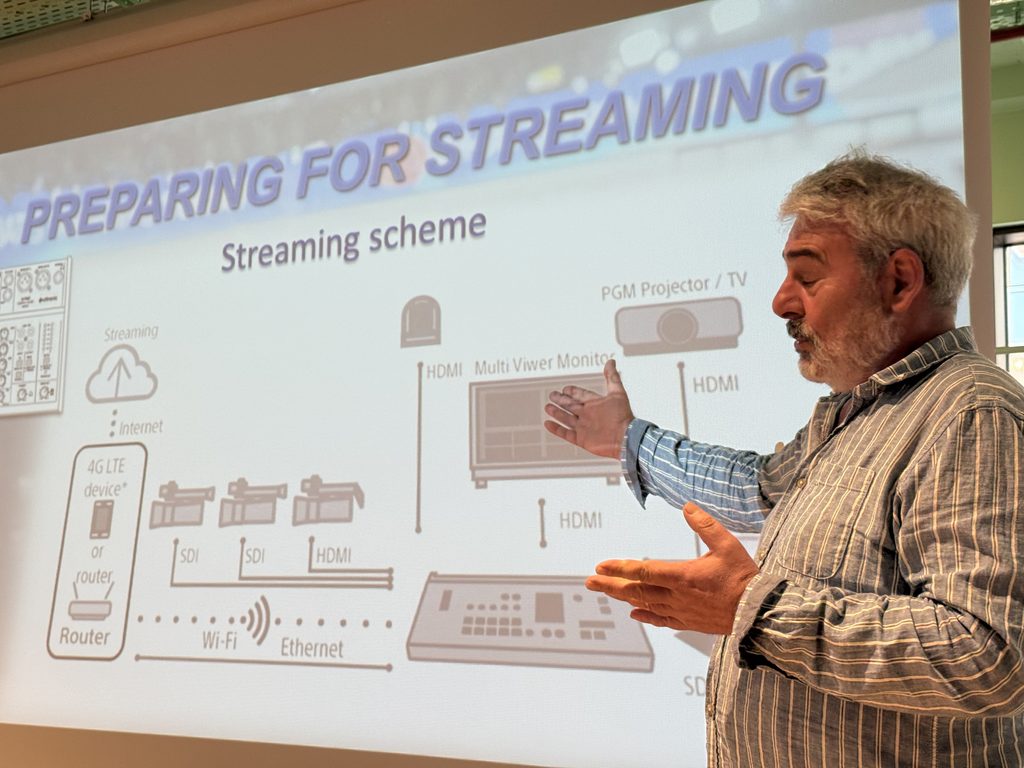
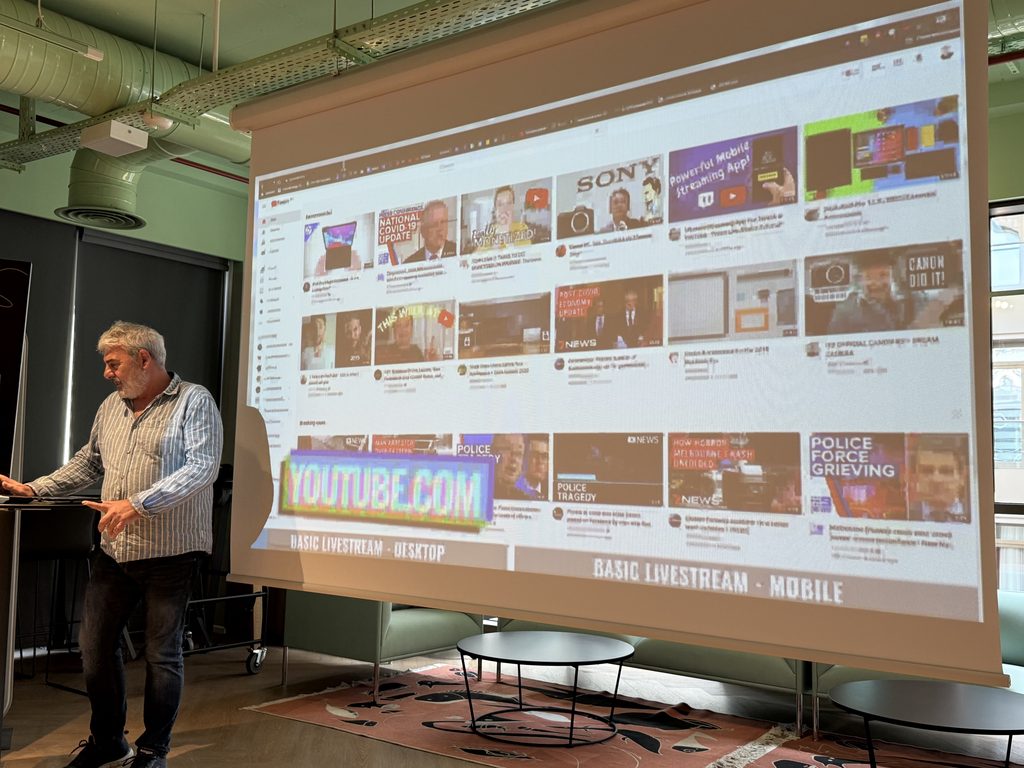
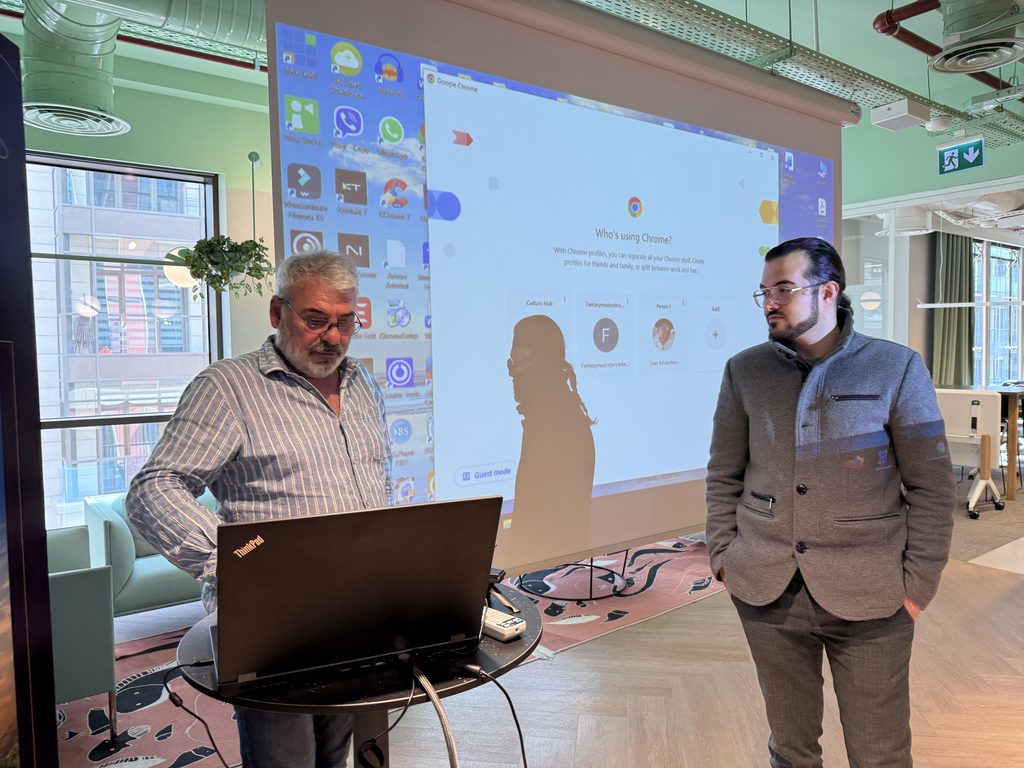
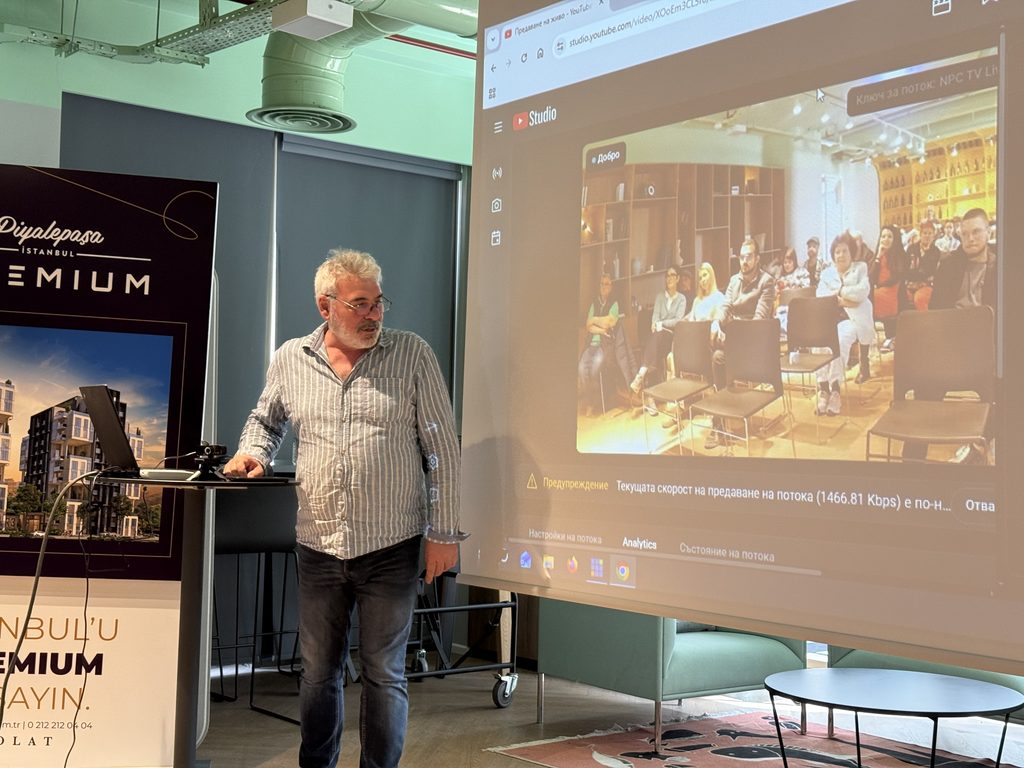
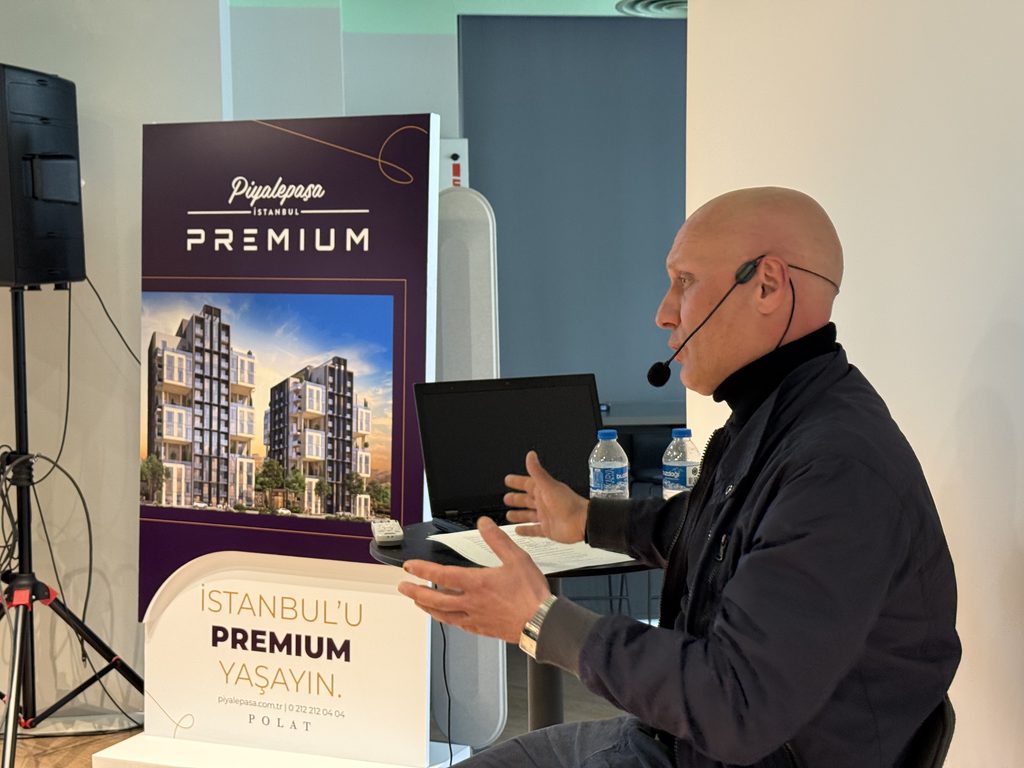
The programme then turned to audiovisual communication through “Live Streaming and Video Making of Events,” delivered by film director Georgi Lazarov. This session introduced practical tools for creating digital content and documenting cultural events.
Video production and live streaming offer cultural organisations ways to extend the reach of their work and connect with audiences beyond the venue. The session linked these possibilities with the practical demands of presenting a cultural experience through a camera, helping participants consider how digital formats can support their own activities.
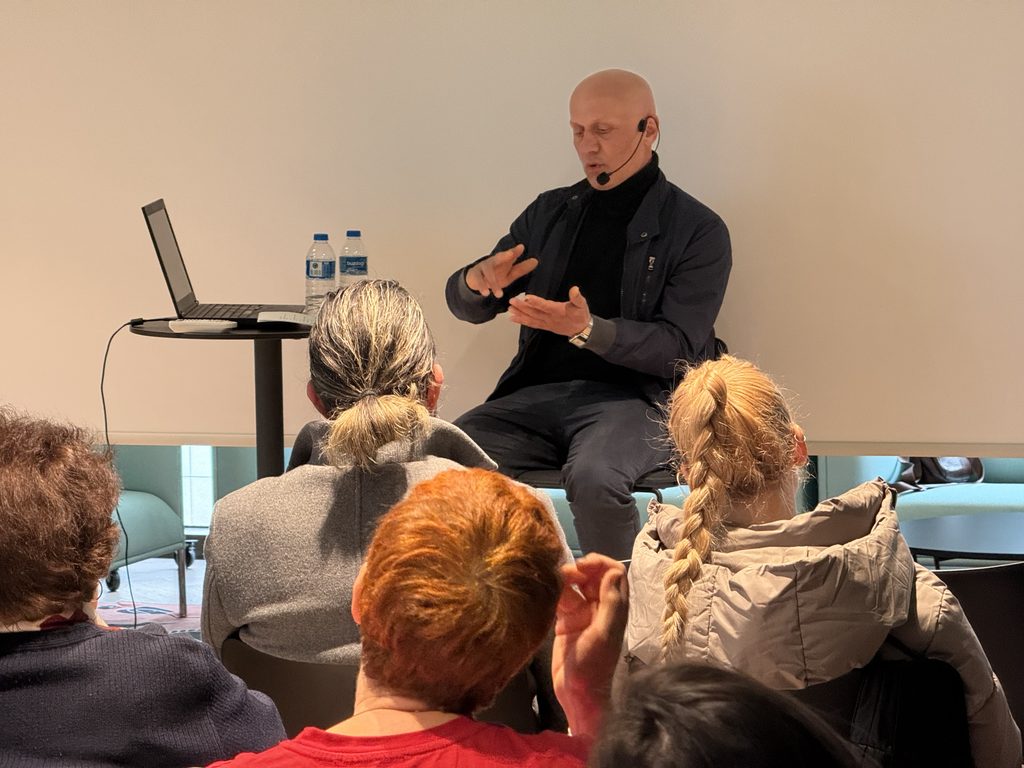
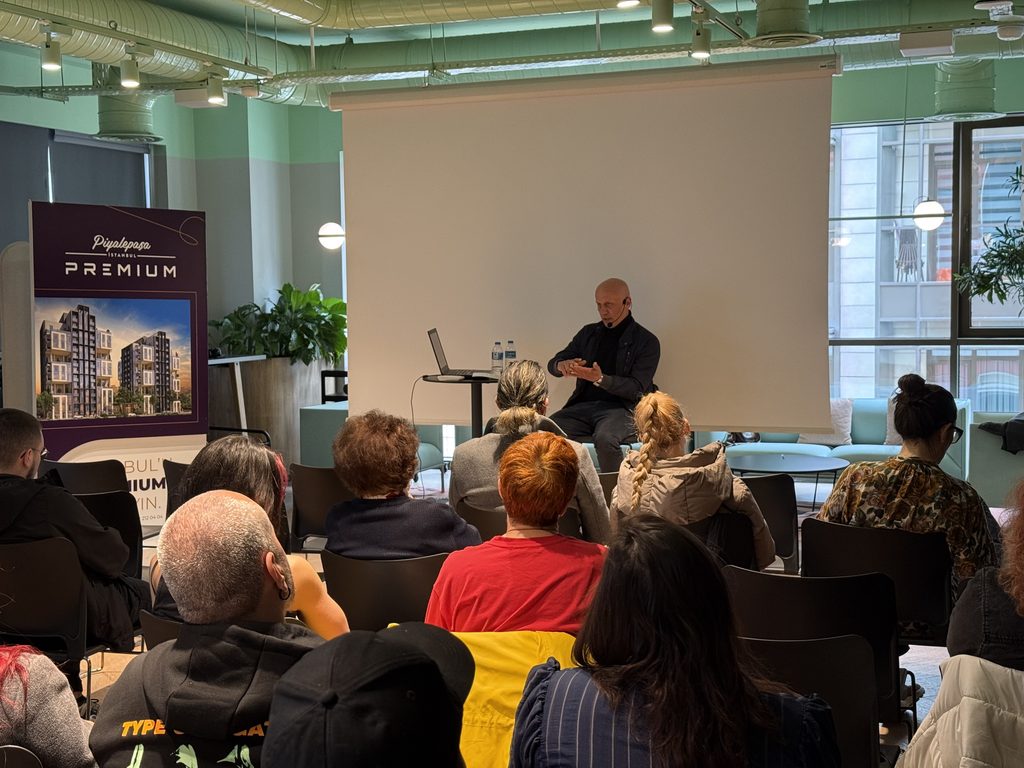
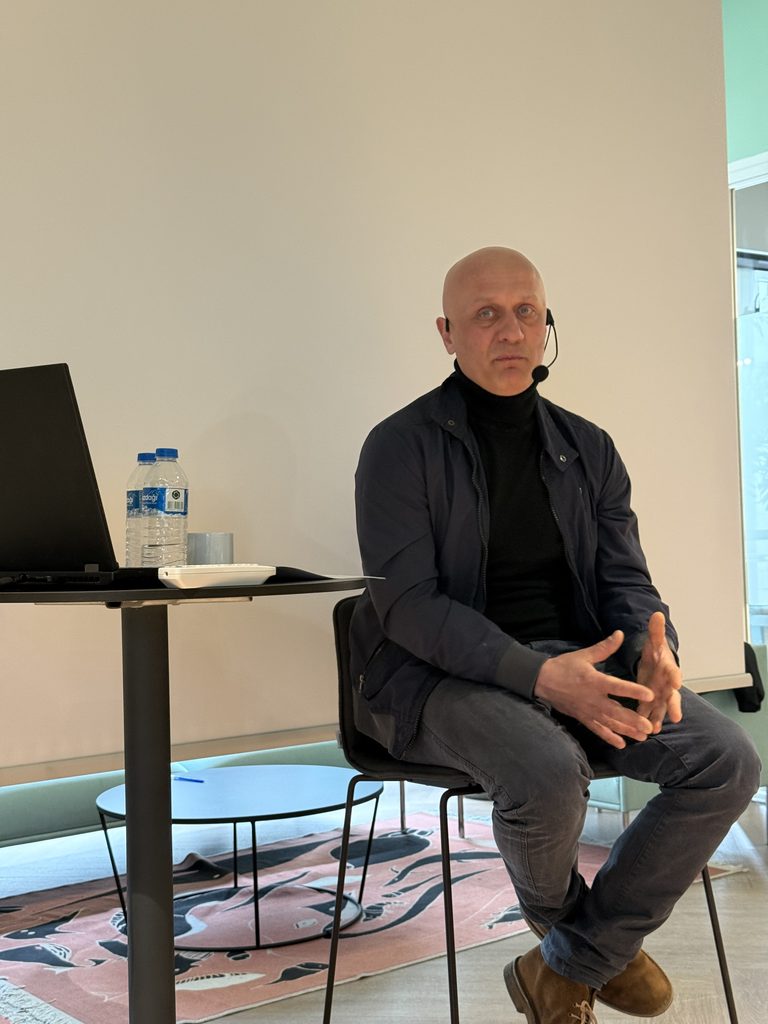
A further session, “Practical Applications of AI in the Creation of Theatrical Performances in the Independent Sector,” was led by theatre director Julian Petrov. It explored how artificial intelligence can support creativity and introduce new possibilities into artistic production.
For independent theatre practitioners, this opens a discussion about where AI tools might contribute to the creative process and how their use relates to artistic intention. The session encouraged participants to explore the relationship between technological experimentation and the choices that give a performance its character.
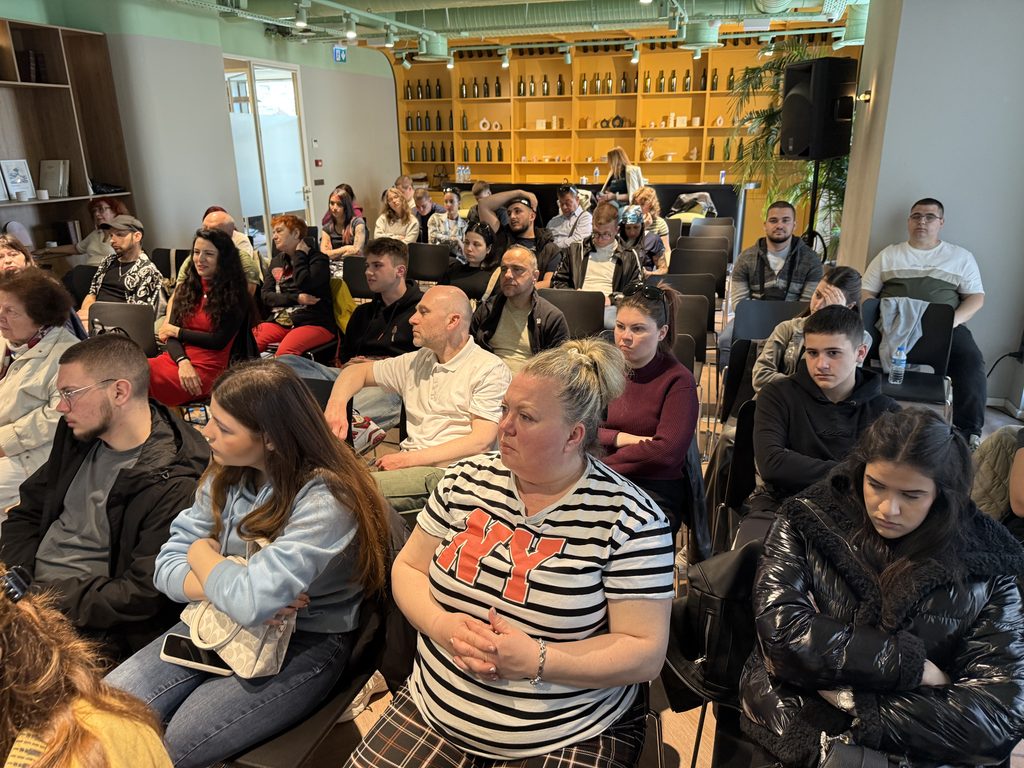
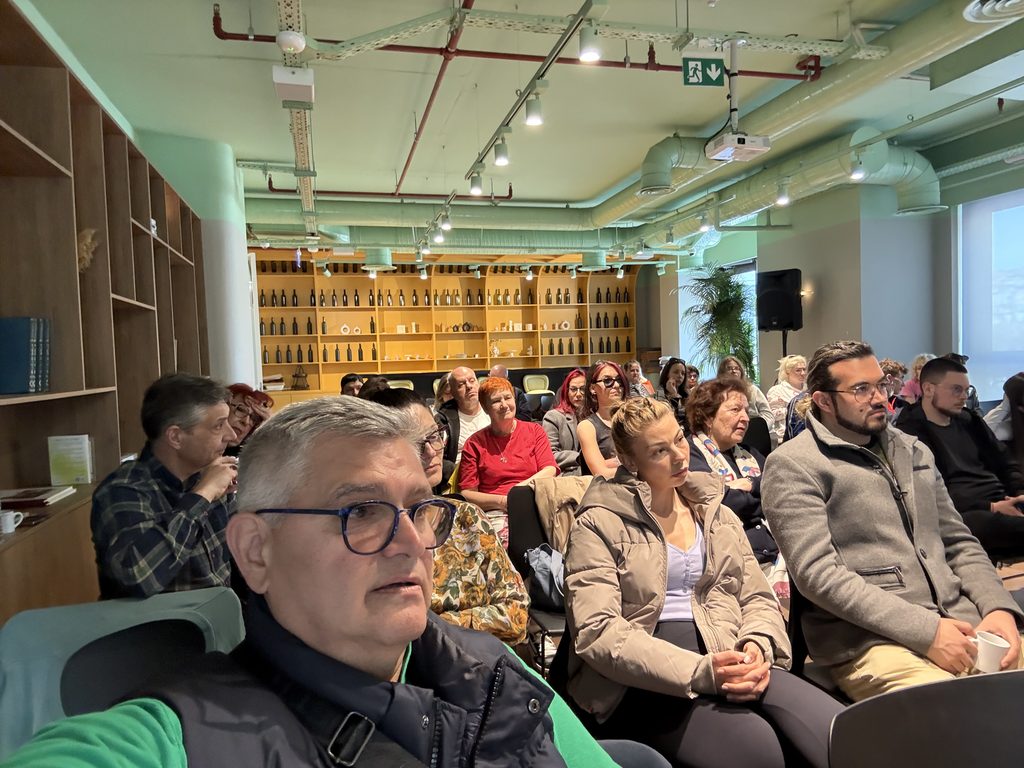
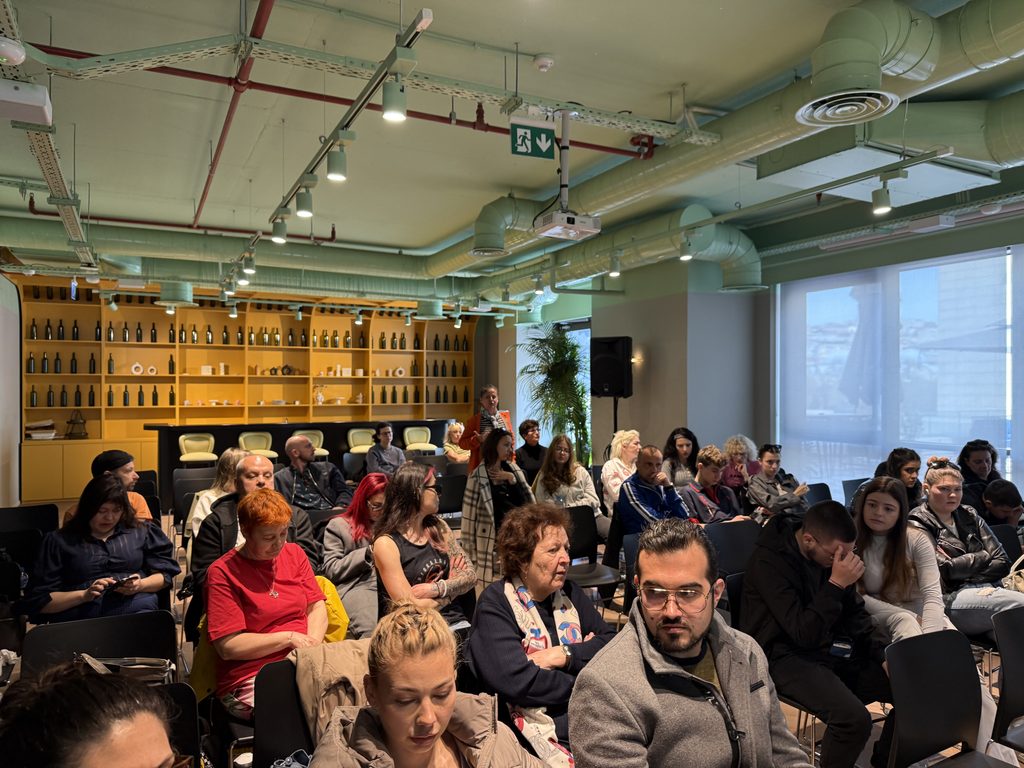
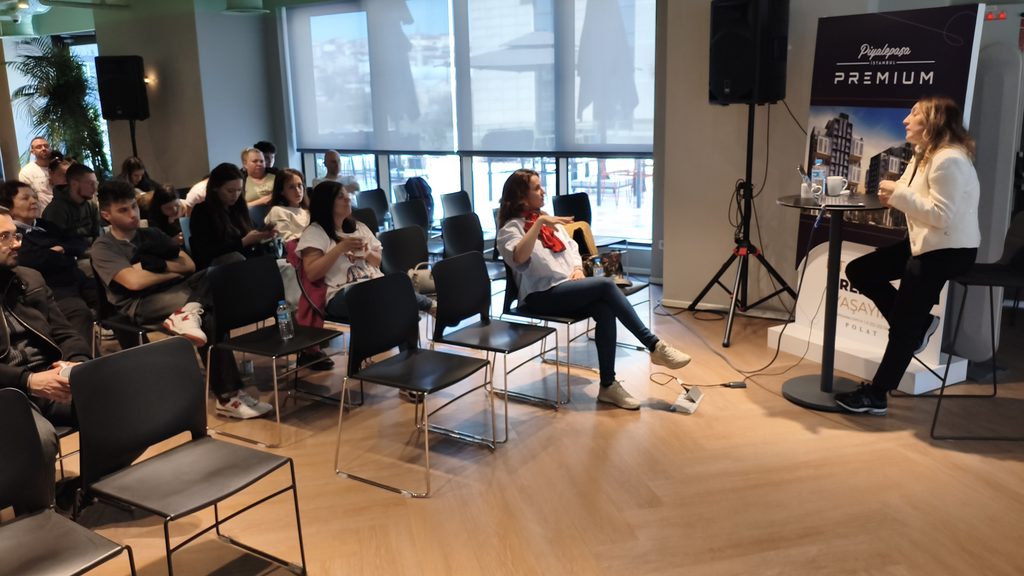
Together, these topics connect three important dimensions of contemporary cultural practice: critical understanding, digital communication, and creative experimentation. Through interactive sessions and hands-on experience, participants are developing skills and considering approaches they can adapt to the creation and dissemination of cultural work.
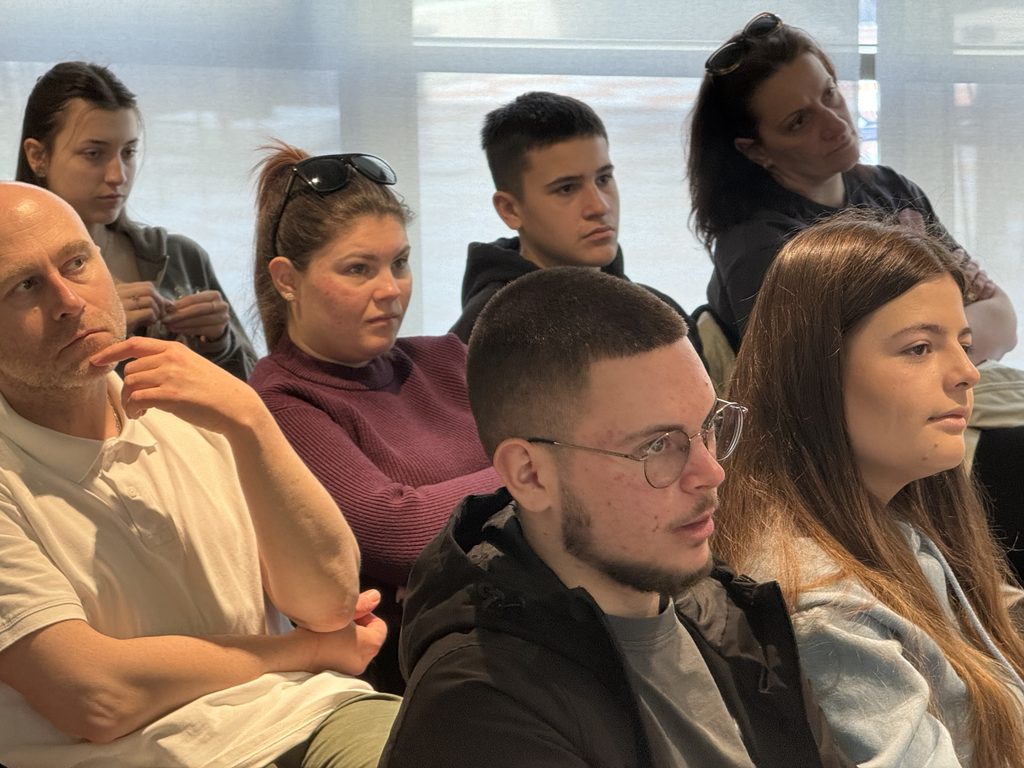
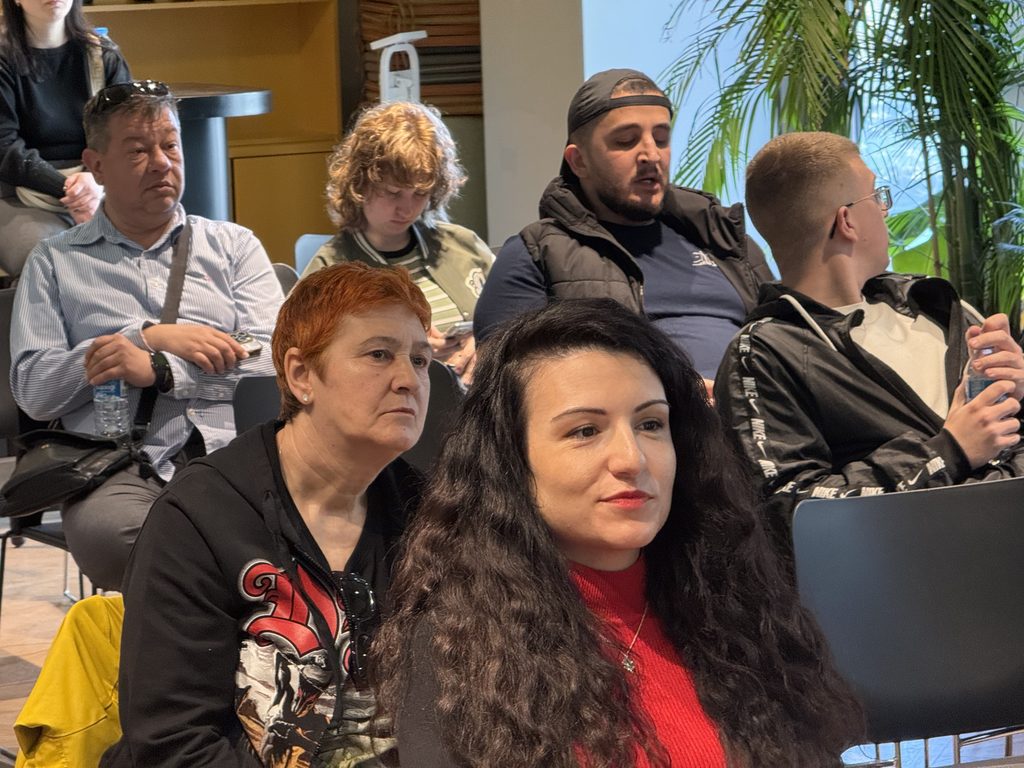
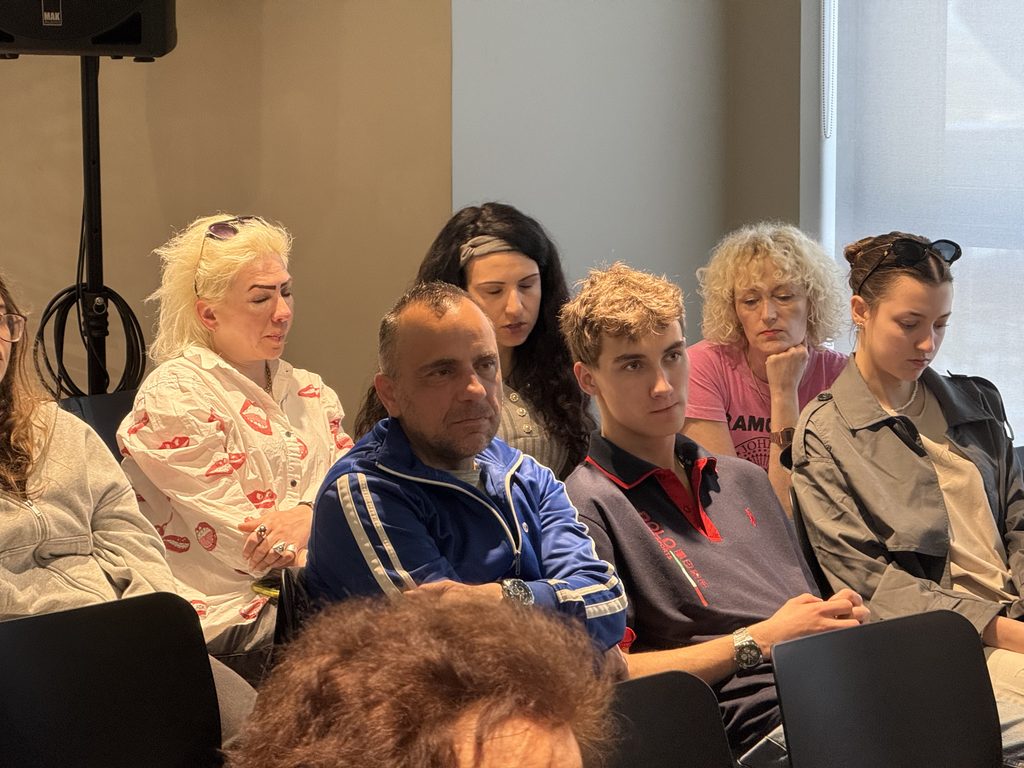
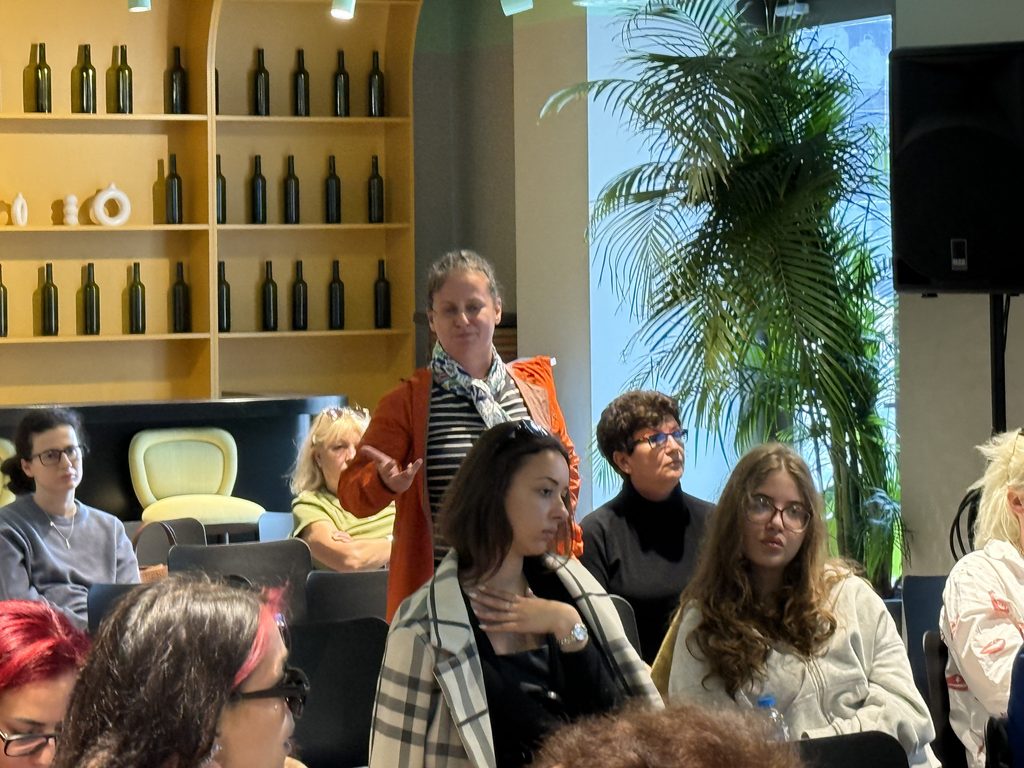
The mobility also provides space for professional exchange. Participants can compare experiences, share perspectives from different creative disciplines, and explore common challenges within an international learning environment.
Through its accredited Erasmus+ activities, DiPaCre continues to support the digital transformation of the cultural sector while strengthening European collaboration and knowledge exchange. We look forward to sharing further highlights as the learning programme in Istanbul continues.
Leave a Reply