
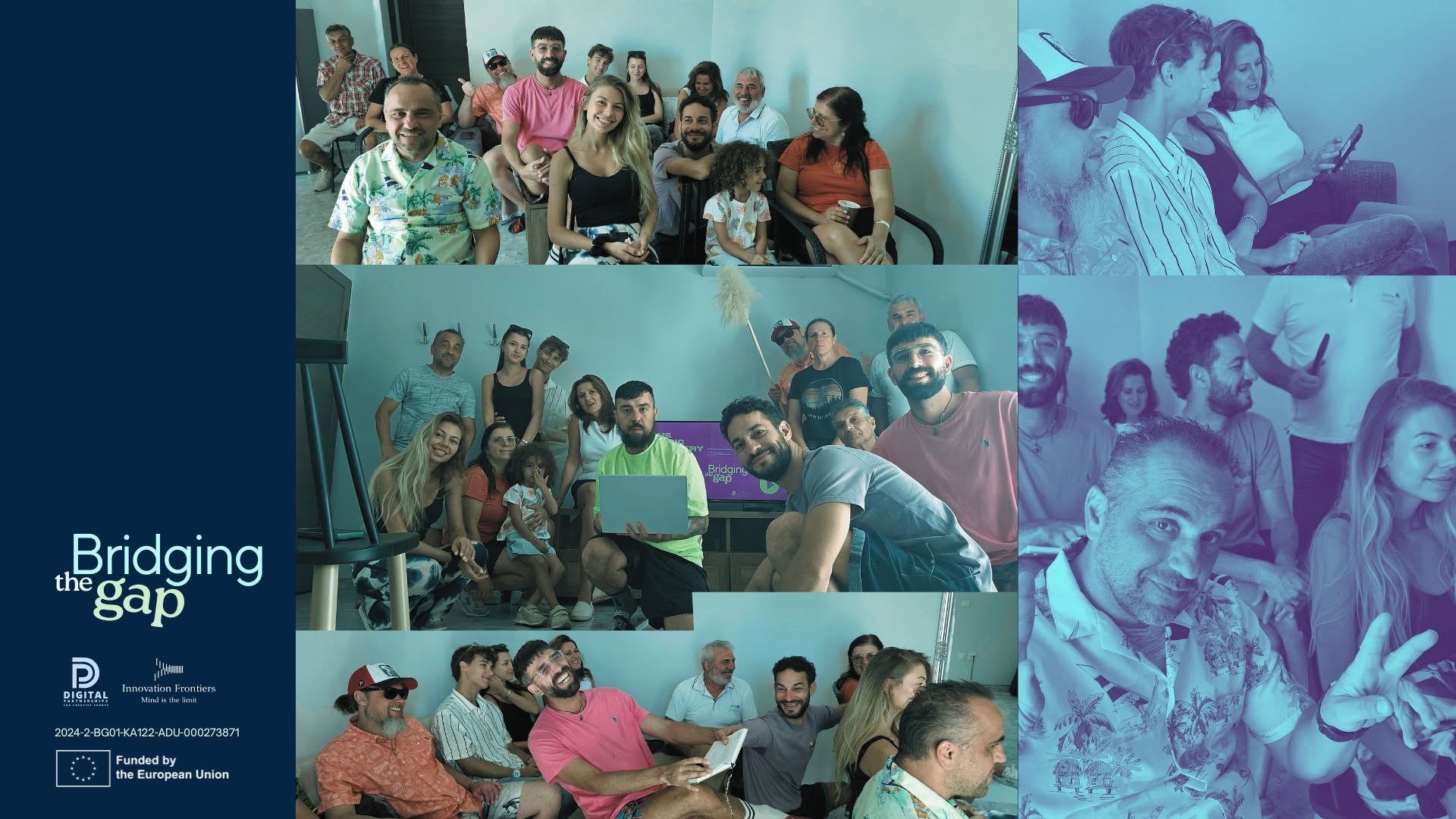

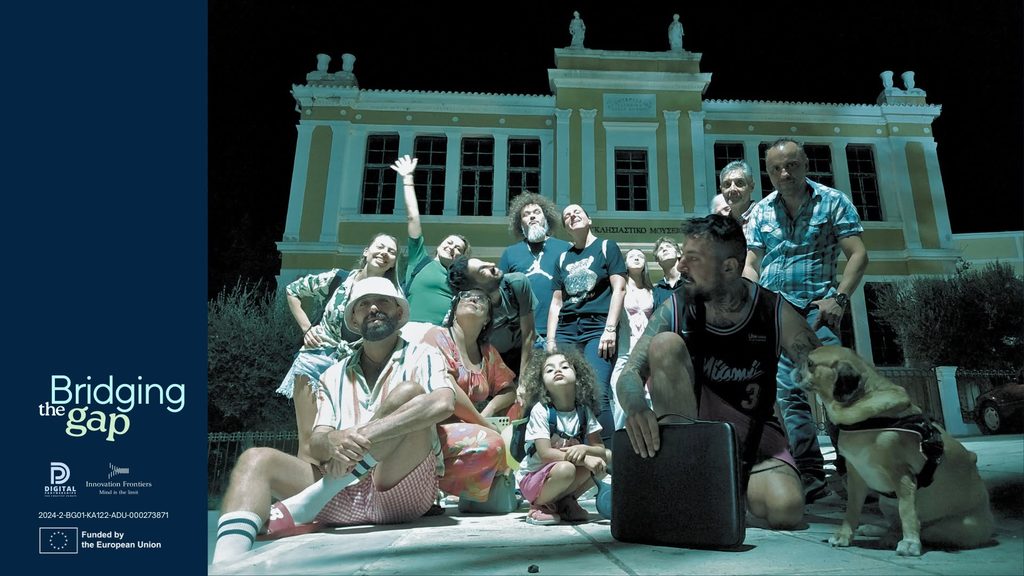
Our Erasmus+ mobility “Bridging the Gap” in beautiful Alexandroupoli, Greece, has officially come to an end – and what an inspiring journey it has been! 💙✨
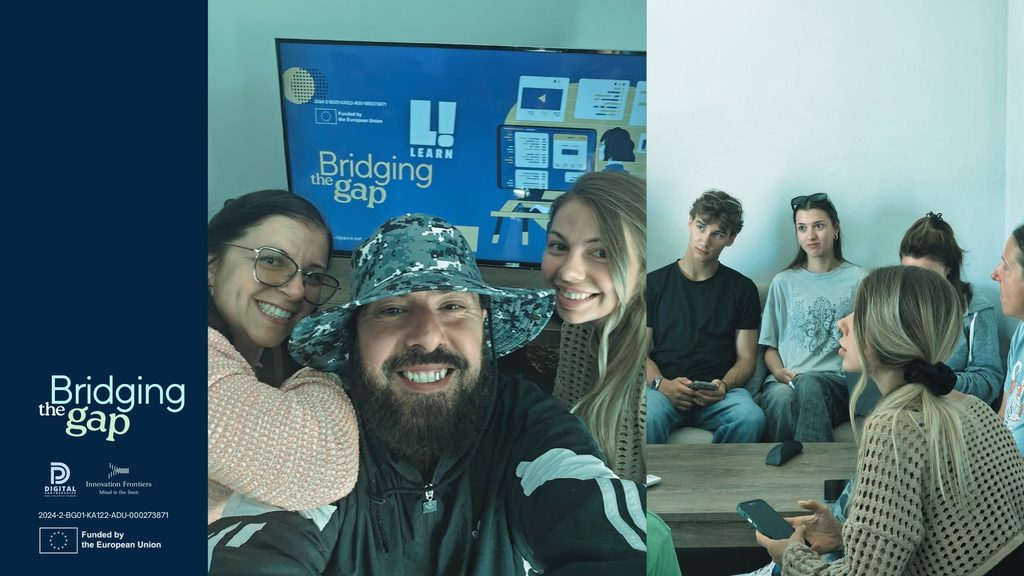
Over the course of the mobility, our participants from Bulgaria took part in an intensive programme combining non-formal learning, practical activities, group work, cultural experiences and international exchange.
Together with our host organisation, Innovation Frontiers IKE, we explored some of the most relevant challenges facing creatives and cultural workers in today’s rapidly changing digital environment.
💻 Digital inclusion and digital exclusion
We examined how unequal access to technology, digital skills and online opportunities can create new forms of exclusion. Participants discussed ways in which education, culture and non-formal learning can contribute to reducing the digital divide and creating more inclusive opportunities for different groups in society.
🌐 The Digital Single Market
Another important part of the programme focused on the European digital environment and the ways in which digitalisation is transforming how cultural and creative content is produced, distributed and accessed across borders.
Participants reflected on both the opportunities and challenges that this transformation creates for cultural professionals and organisations.
🎵 Copyright, neighbouring rights and creative content
Our learning journey also addressed the increasingly complex relationship between creativity and the digital world. Participants explored issues related to copyright and neighbouring rights, discussing how creators can better understand and protect their work while benefiting from the opportunities offered by digital distribution.
🔗 Metadata and the digital distribution of creative assets
We also explored new models for metadata transfer and management of creative assets, highlighting the importance of accurate and structured information in ensuring that creative works can be properly identified, distributed and attributed in the digital environment.
Learning by Doing
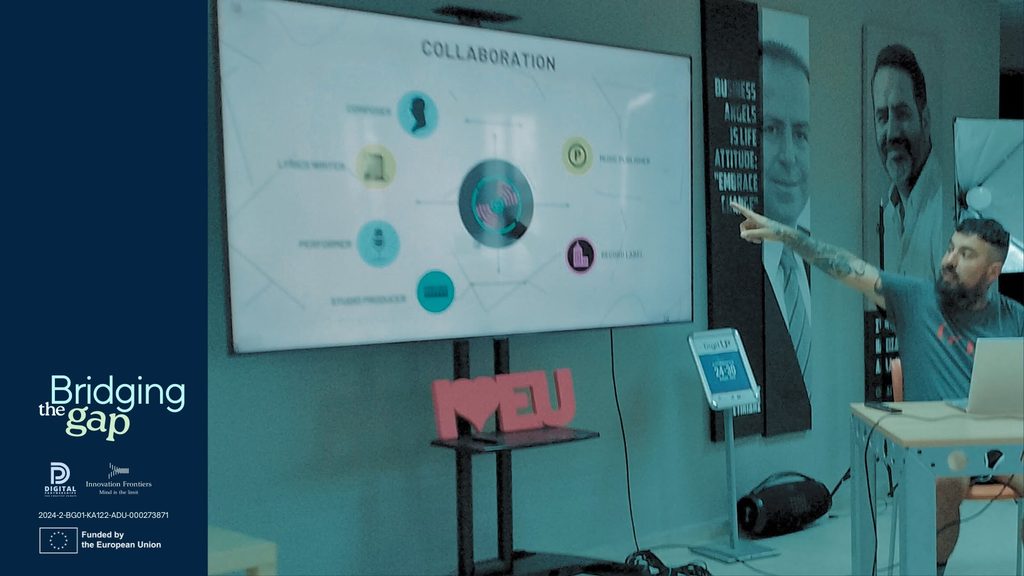
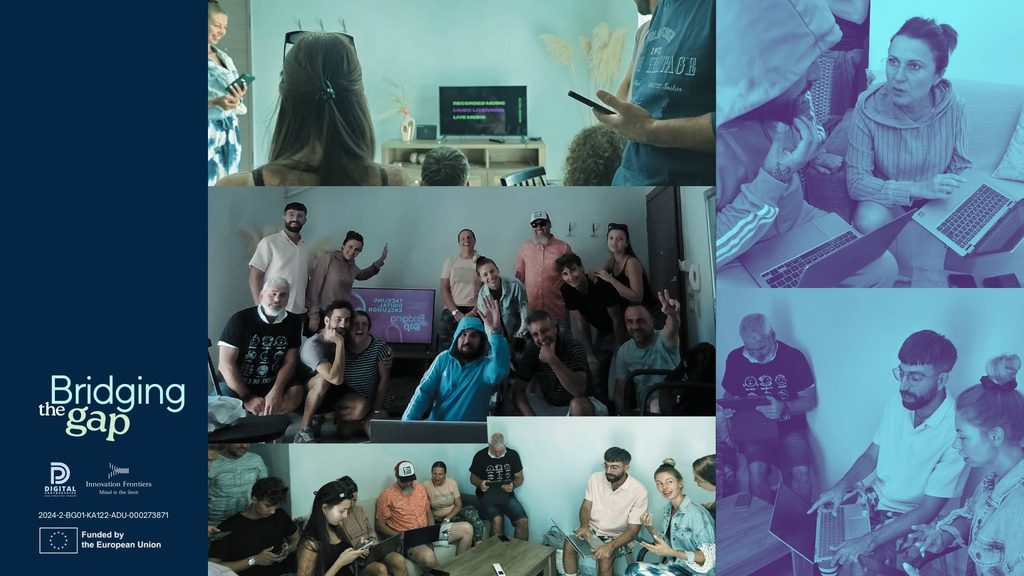
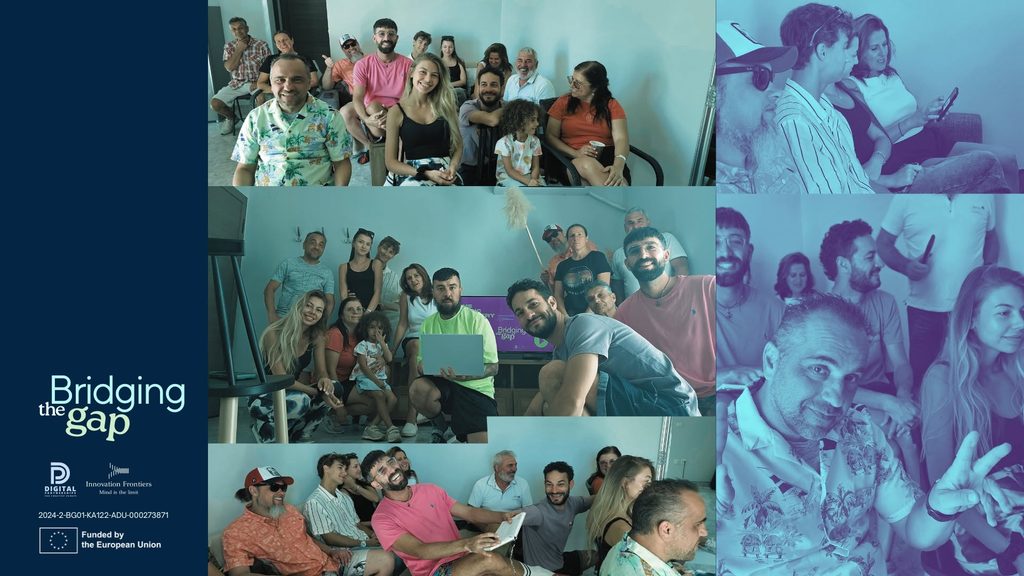
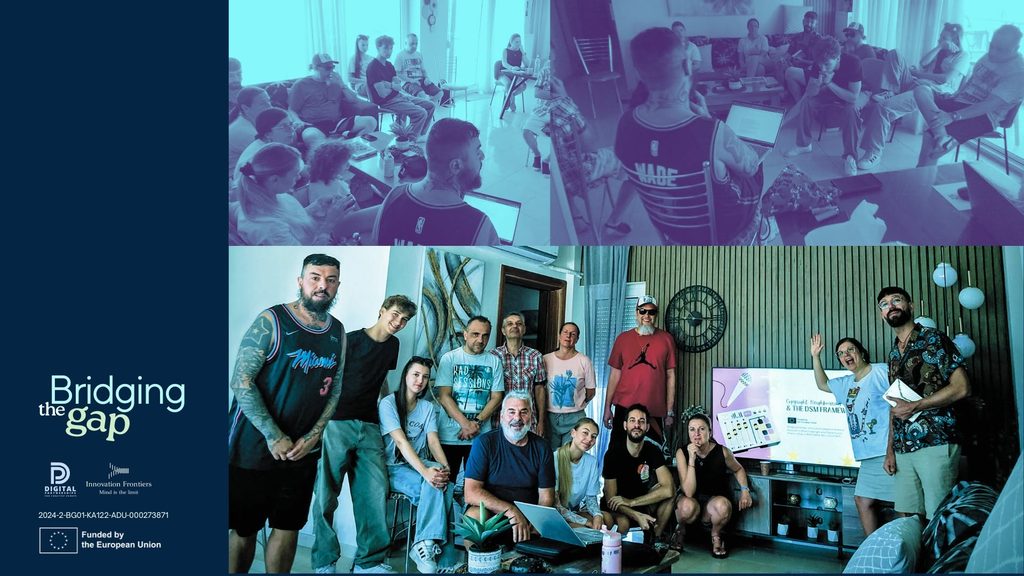
The programme was highly interactive. Through practical exercises, teamwork, discussions and group projects, participants were encouraged not only to acquire new knowledge but also to connect it with their own professional and organisational experience.
And Erasmus+ is never only about what happens in the training room.
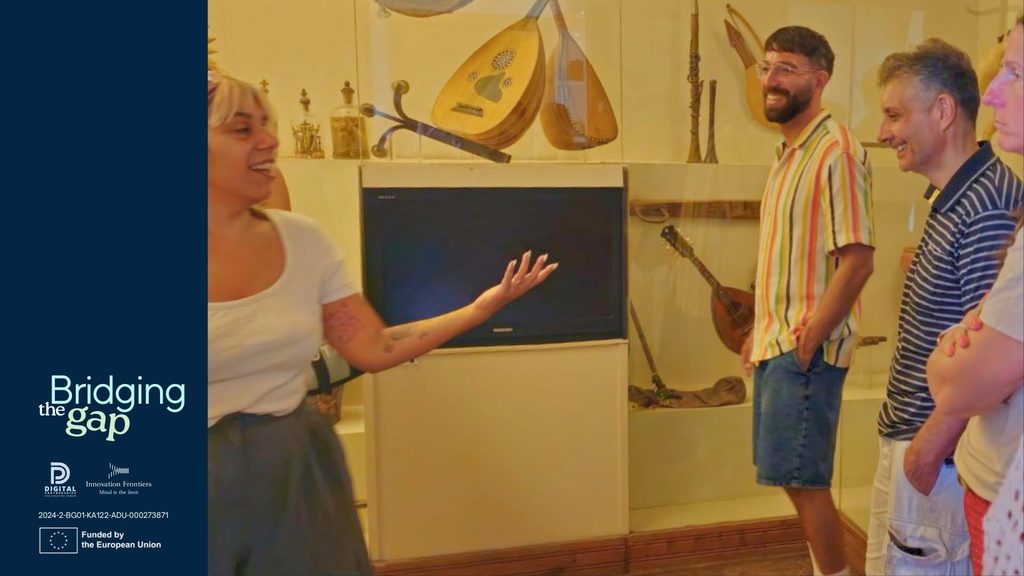
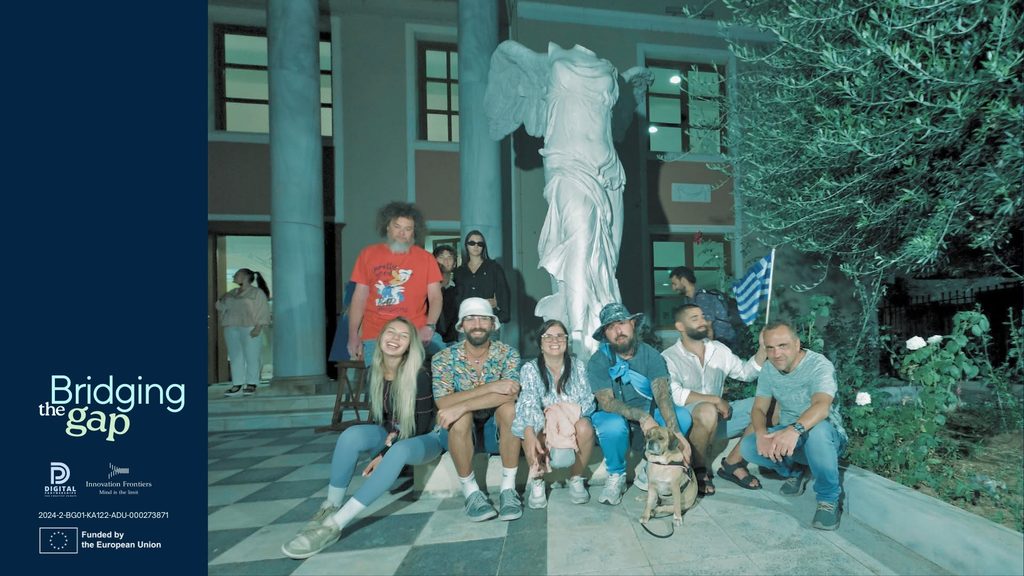
Our cultural activities in Alexandroupoli allowed us to discover the history and traditions of Thrace, reflect on our shared European heritage and strengthen the connections between Bulgaria and Greece. 🇧🇬🤝🇬🇷
These moments reminded us that mobility is also about meeting people, discovering different perspectives and realising how much we share in our histories, values and vision for the future.
From Mobility to Impact
We are leaving Alexandroupoli with much more than new knowledge.
We are taking home new digital competences, practical ideas, inspiration, professional connections and friendships. Most importantly, participants will be able to share what they have learned with their organisations, colleagues and communities, extending the impact of the mobility far beyond the participants themselves.
This is the real value of Erasmus+: learning, sharing, connecting and transforming experience into opportunities for others.
A big thank you to Innovation Frontiers IKE for the warm welcome, expertise and support throughout our stay, and to all our participants for their enthusiasm, curiosity and active involvement.
We leave Alexandroupoli inspired, full of new ideas and wonderful memories – and one thing is certain:
We will definitely come back to lovely Greece! 🌞💙🇬🇷
📌 Project: Bridging the Gap
📌 Project No.: 2024-2-BG01-KA122-ADU-000273871
📌 Erasmus+ Adult Education Mobility
📍 Alexandroupoli, GreeceFunded by the Erasmus+ Programme of the European Union.
Funded by the European Union. Views and opinions expressed are, however, those of the author(s) only and do not necessarily reflect those of the European Union or the European Education and Culture Executive Agency (EACEA). Neither the European Union nor the granting authority can be held responsible for them.
Leave a Reply